Introduction
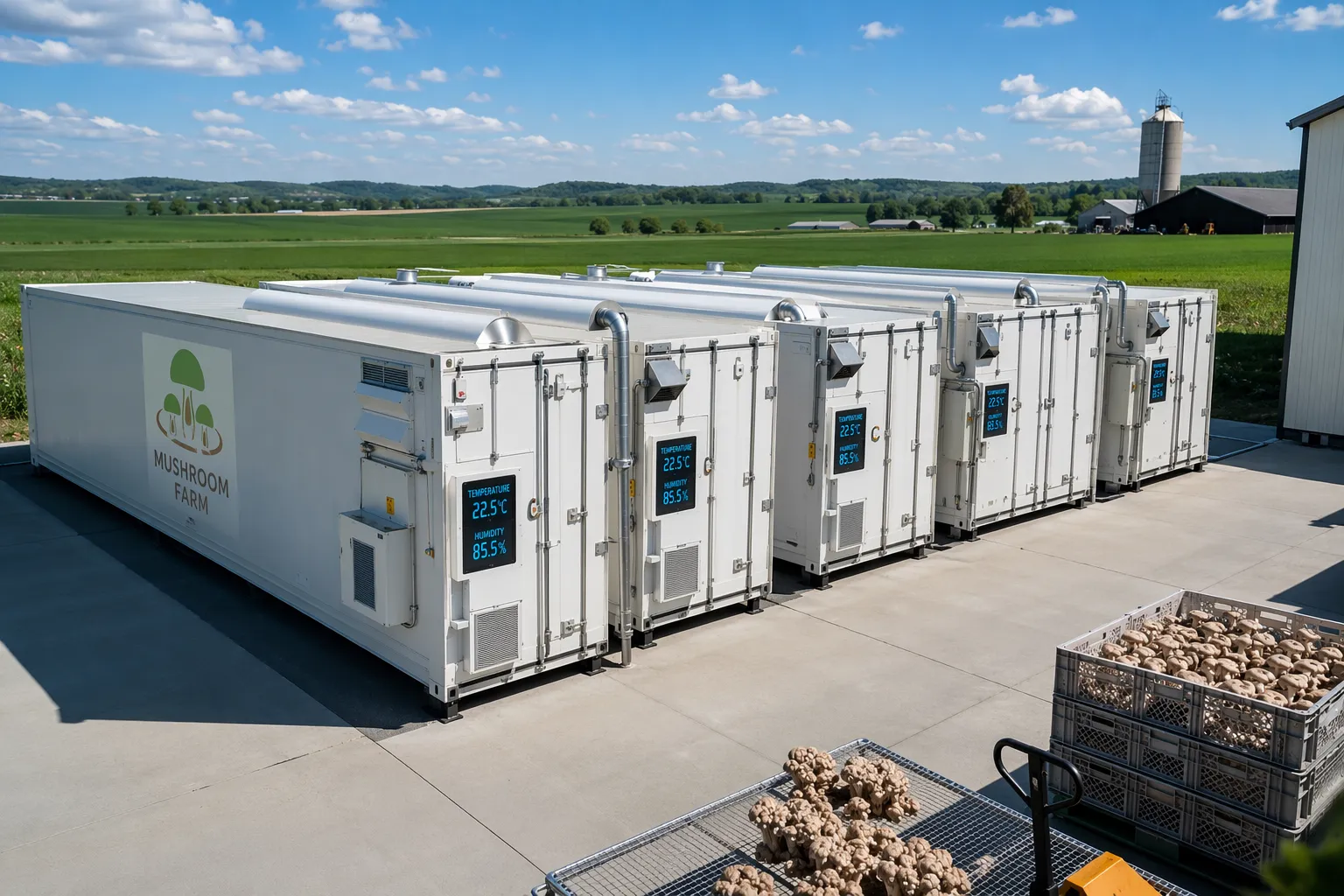
Mushroom cultivation has always been an important agricultural industry in many countries, and with the development of modern agriculture and the introduction of advanced technologies, large-scale mushroom cultivation containers have emerged, bringing new opportunities and challenges to the mushroom cultivation industry. This article will introduce a successful case of a large-scale mushroom cultivation container project in a foreign country.
I. Project Background
Located in a region with a mild climate and suitable for mushroom growth in a European country, the local mushroom cultivation industry has existed for a long time. However, traditional cultivation methods, such as natural cave cultivation and simple greenhouse cultivation, have been gradually unable to meet the increasing market demand due to their limitations in space, environmental control, and yield. In order to improve the production efficiency and quality of mushrooms, a local agricultural technology company decided to introduce large-scale mushroom cultivation containers to carry out modern mushroom cultivation.
II. Technical Features of the Container
Environmental Control System
The container is equipped with an advanced environmental control system, which can accurately monitor and adjust the temperature, humidity, light intensity, and pH value inside the container. The temperature control system can maintain the optimal temperature range for mushroom growth. For example, the suitable temperature range for oyster mushrooms is generally between 20°C and 24°C. If the temperature is too high, the mushroom growth will be accelerated but the caps will become thin, and if the temperature is too low, the growth will be slow. In the container, through the refrigeration or heating system, the temperature can be finely tuned to ensure the stable growth of mushrooms.
The humidity control system is also very critical. The humidity inside the mushroom container is generally required to be between 80% and 90%. When the humidity is too low, mushrooms will easily dry out and shrink, and when the humidity is too high, they are easy to rot and be contaminated by diseases. The compartment is equipped with sensors to constantly monitor the humidity. When the humidity drops, the misting system will automatically open, spraying a fine mist of water to maintain the appropriate humidity.
The light intensity control system can simulate the light conditions required by mushrooms at different stages of growth. Although mushrooms do not need light for photosynthesis, a certain amount of light can affect the morphology and color of mushrooms. For example, in the cultivation of shiitake mushrooms, controlling the light intensity can make the mushroom caps more compact and the color darker, which is more marketable.
Material and Structure
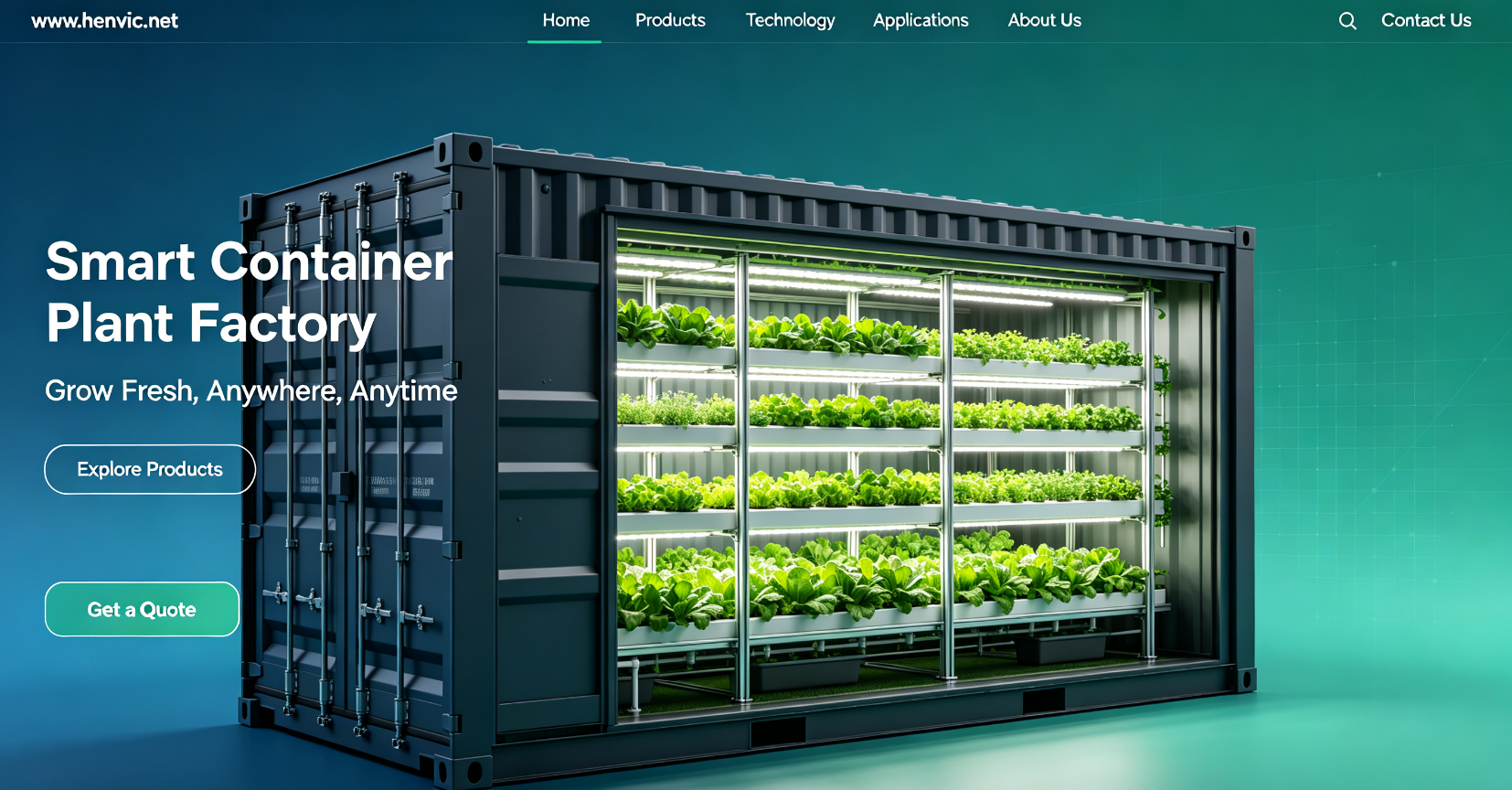
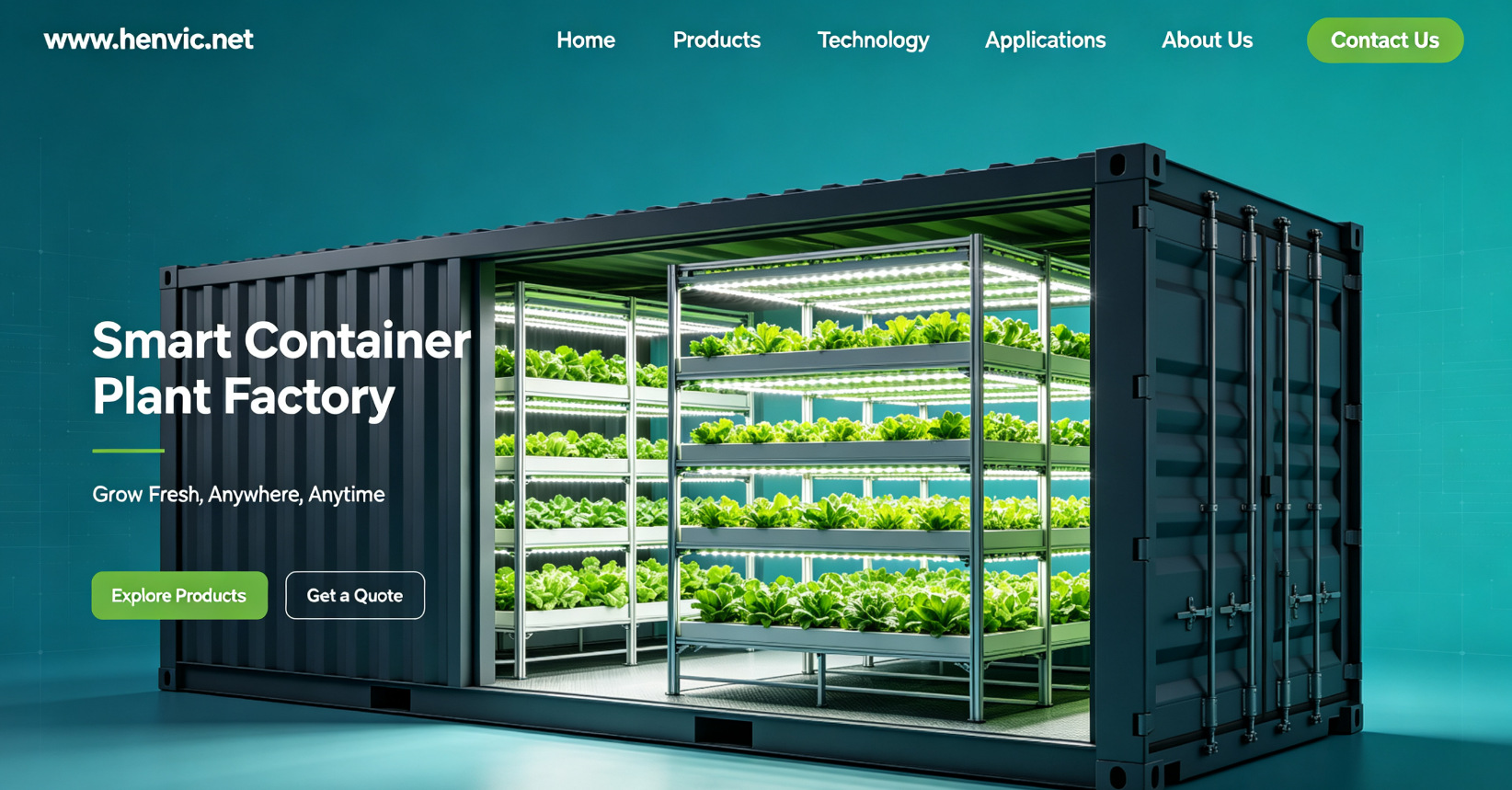
The container's material is made of high-quality environmentally friendly and durable materials. Its outer wall has good thermal insulation properties, which can prevent the impact of external temperature changes on the internal environment, reduce energy consumption, and ensure temperature stability inside the container. The interior structure of the container is designed in layers, and each layer is equipped with specially - designed cultivation racks. These cultivation racks are made of food - grade materials, which are not only non - toxic and harmless but also have good ventilation and water - permeability, contributing to the healthy growth of mushrooms.
Automated Equipment System
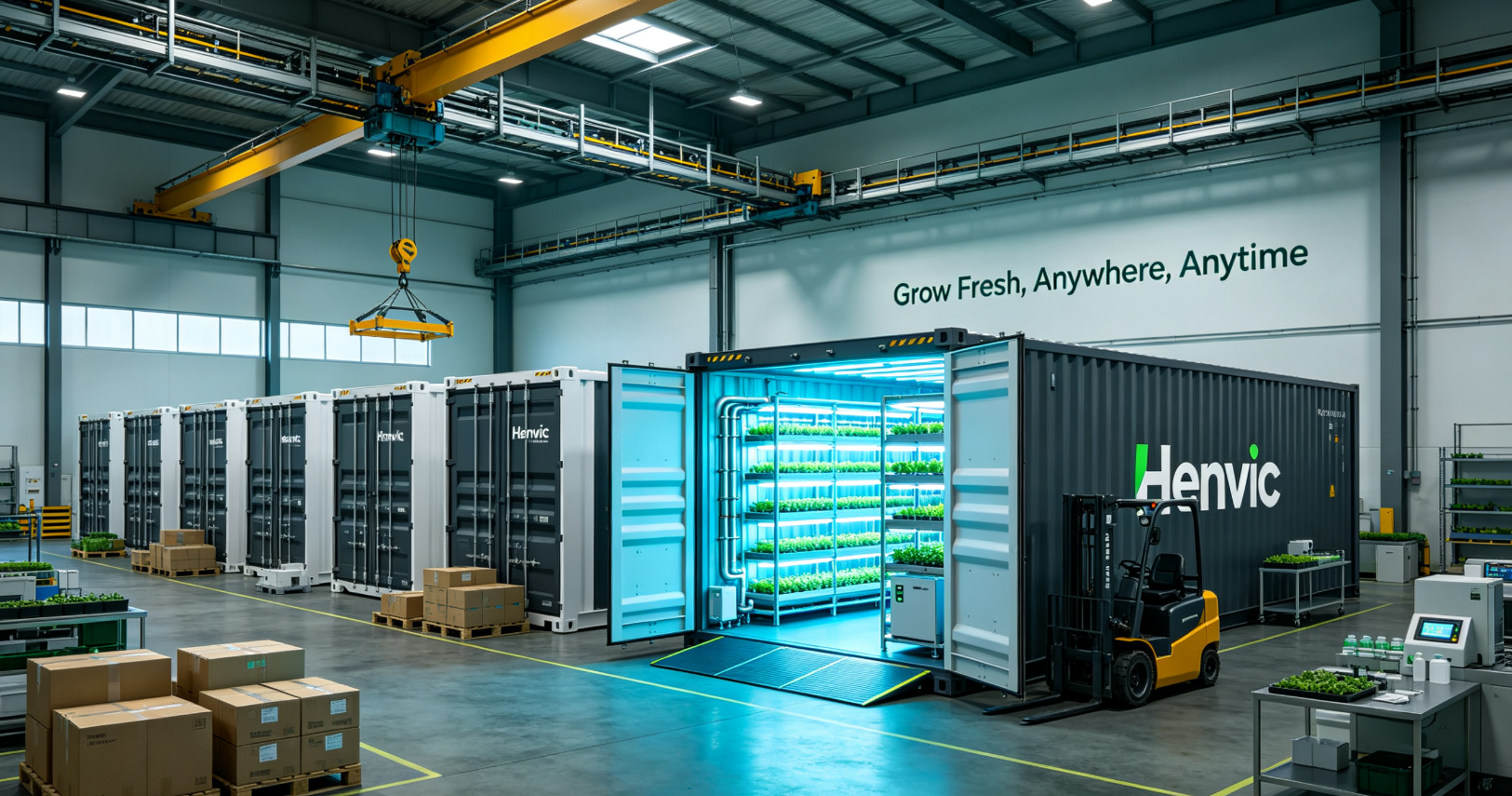
The large-scale mushroom cultivation containers are also equipped with high - level automation. There is an automated seeding machine that can quickly and accurately inoculate the mushroom spawn into the cultivation medium, greatly improving the seeding efficiency and reducing the risk of contamination caused by manual seeding. An automated harvesting system can automatically detect the maturity of mushrooms and harvest them mechanically according to the preset standards, avoiding the waste of human resources in the harvesting process. In addition, there are also automated packaging systems that can quickly sort, clean, and package mushrooms after harvest, ensuring the freshness and appearance of the products.
III. Implementation Process and Results
After the project was launched, the company first carried out a pilot operation. A certain number of mushroom containers were introduced, and several mainstream mushroom varieties such as oyster mushrooms and shiitake mushrooms were chosen as the trial cultivation objects. In the early stage, the latest varieties with strong resistance and high yields were selected and cultivated according to the appropriate cultivation mode for the container.
During the cultivation process, the team conducted a detailed and accurate environment regulation operation through the environmental control system. They continuously recorded data such as the growth rate of the mushrooms, the emergence time, and the quality of the fruiting bodies. Through these records, they constantly optimized the environmental parameter settings to find the best combination of parameters suitable for the local conditions and the varieties of mushrooms.
In terms of automation, the team also conducted in - depth exploration. They regularly inspected the automation of seeding, harvesting, and packaging systems, dealt with malfunctions in a timely manner, and made continuous improvements to the automation programs to ensure a smooth and efficient production process.
The results were remarkable. Compared with traditional cultivation methods, the yield of mushrooms in the container increased significantly. Taking oyster mushrooms as an example, the yield per unit area in the container was several times that of traditional greenhouse cultivation. The quality of the mushrooms was also higher, with more uniform size, better appearance, and a longer shelf life. Through the automated equipment, the production efficiency was greatly improved, and the labor cost was significantly reduced. The enterprise has successfully expanded its production scale, and the mushroom products have reached a wider market, winning the favor of many customers.
IV. Dissemination and Inspiration
The success of this case has a far - reaching impact on the local and even the international mushroom cultivation industry. Locally, more and more mushroom cultivators have begun to realize the advantages of large - scale mushroom cultivation containers and are actively learning and introducing this advanced technology. The local government also launched a series of supportive policies to encourage the popularization and application of this modern mushroom cultivation mode.
On a global scale, this case provides valuable experience for mushroom cultivation projects in other countries and regions. It proves that with appropriate technical measures and scientific management, large - scale mushroom cultivation containers can effectively improve the economic benefits of mushroom cultivation and meet the growing market demand for high - quality mushrooms. It also points out the future development direction of mushroom cultivation toward modernization, automation, and scale - up.
V. Conclusion
According to this case, we can see that the introduction of large - scale mushroom cultivation containers into the mushroom cultivation industry brings about significant technical improvements and economic benefits. With the continuous advancement of technology and further optimization of the system, it is believed that this advanced cultivation mode will play a more important role in the future mushroom cultivation field, promoting the sustainable development of the mushroom cultivation industry around the world.