I. Prologue: The Evolution of Cultivation
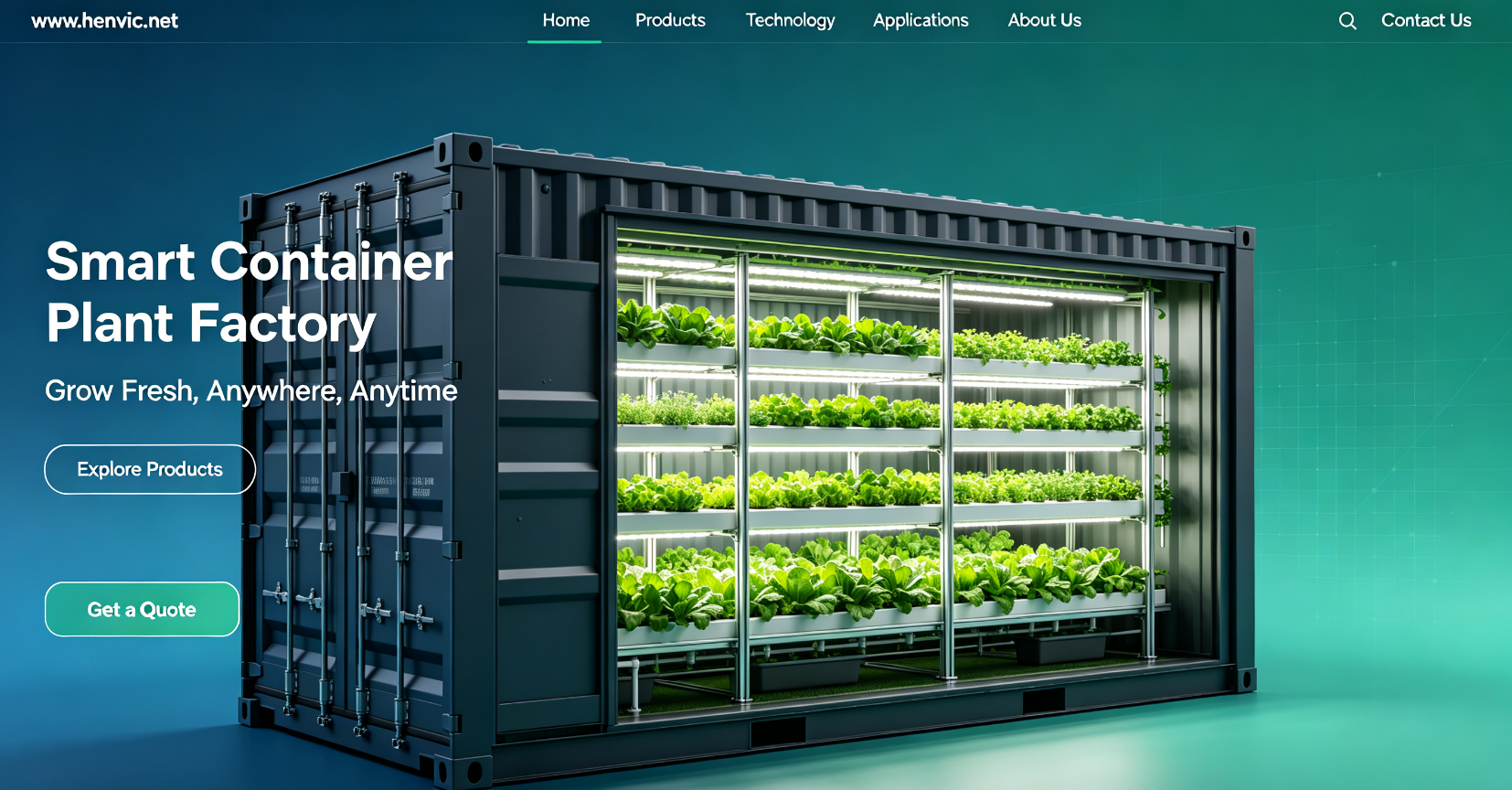
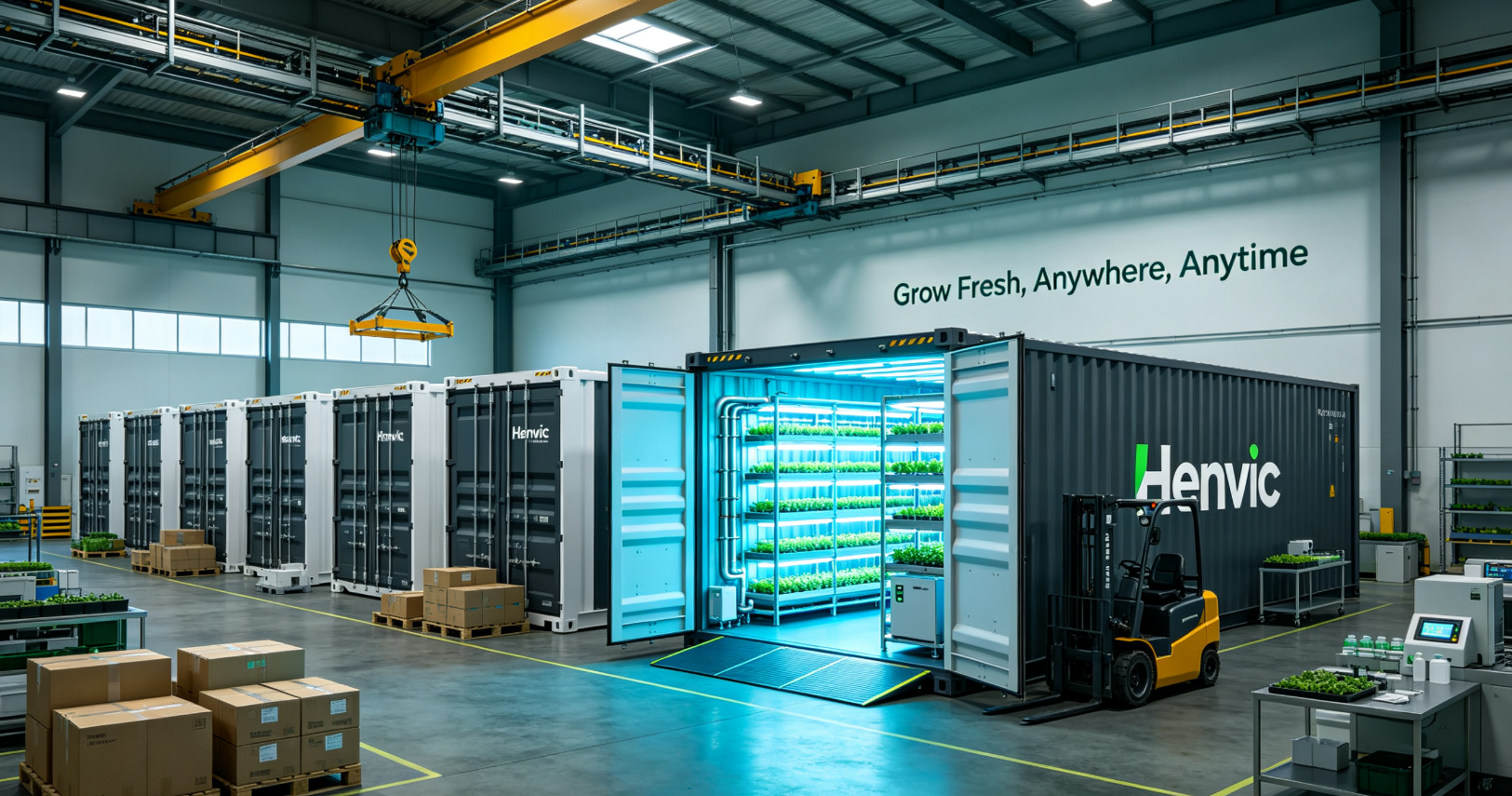
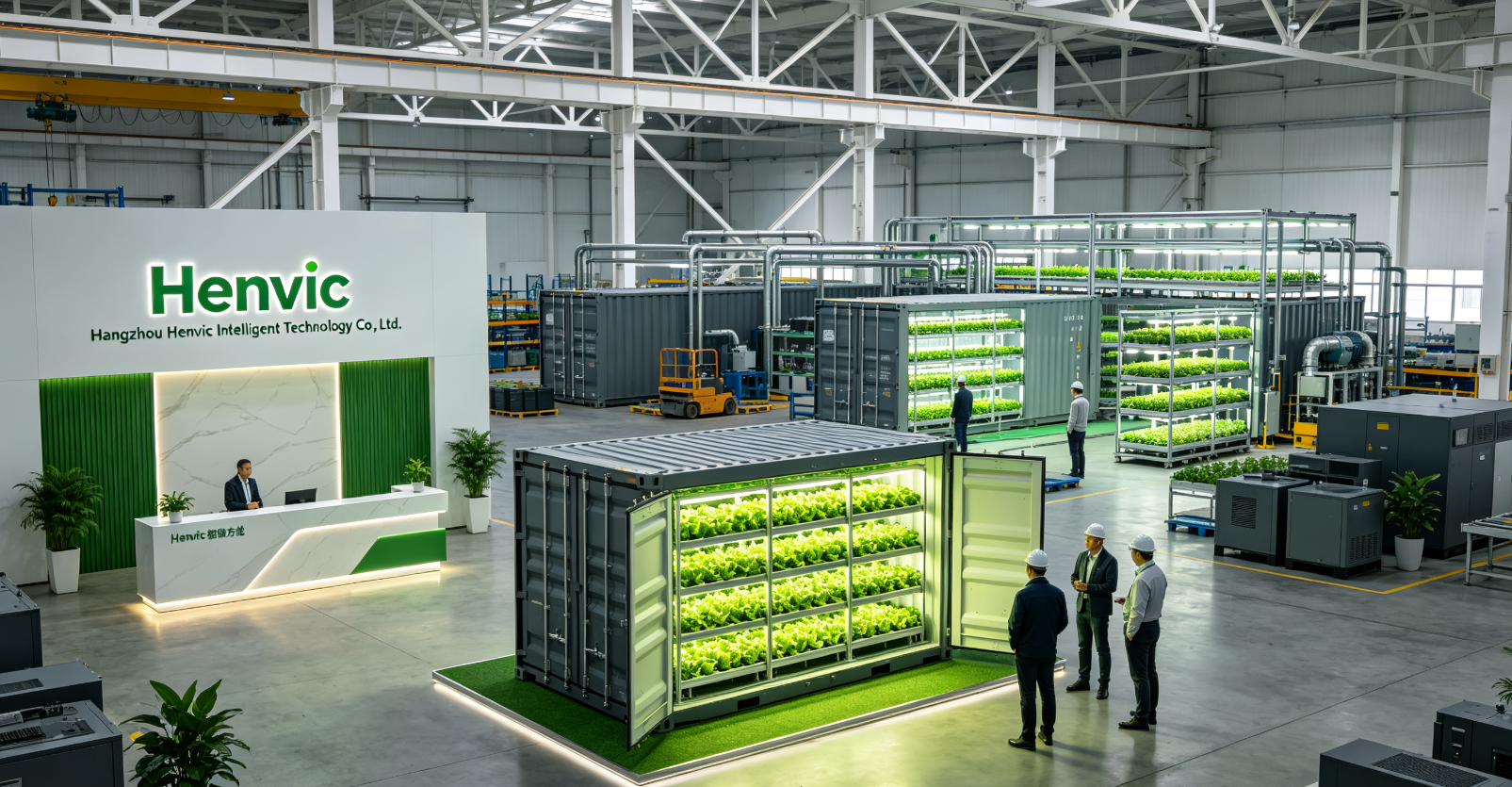
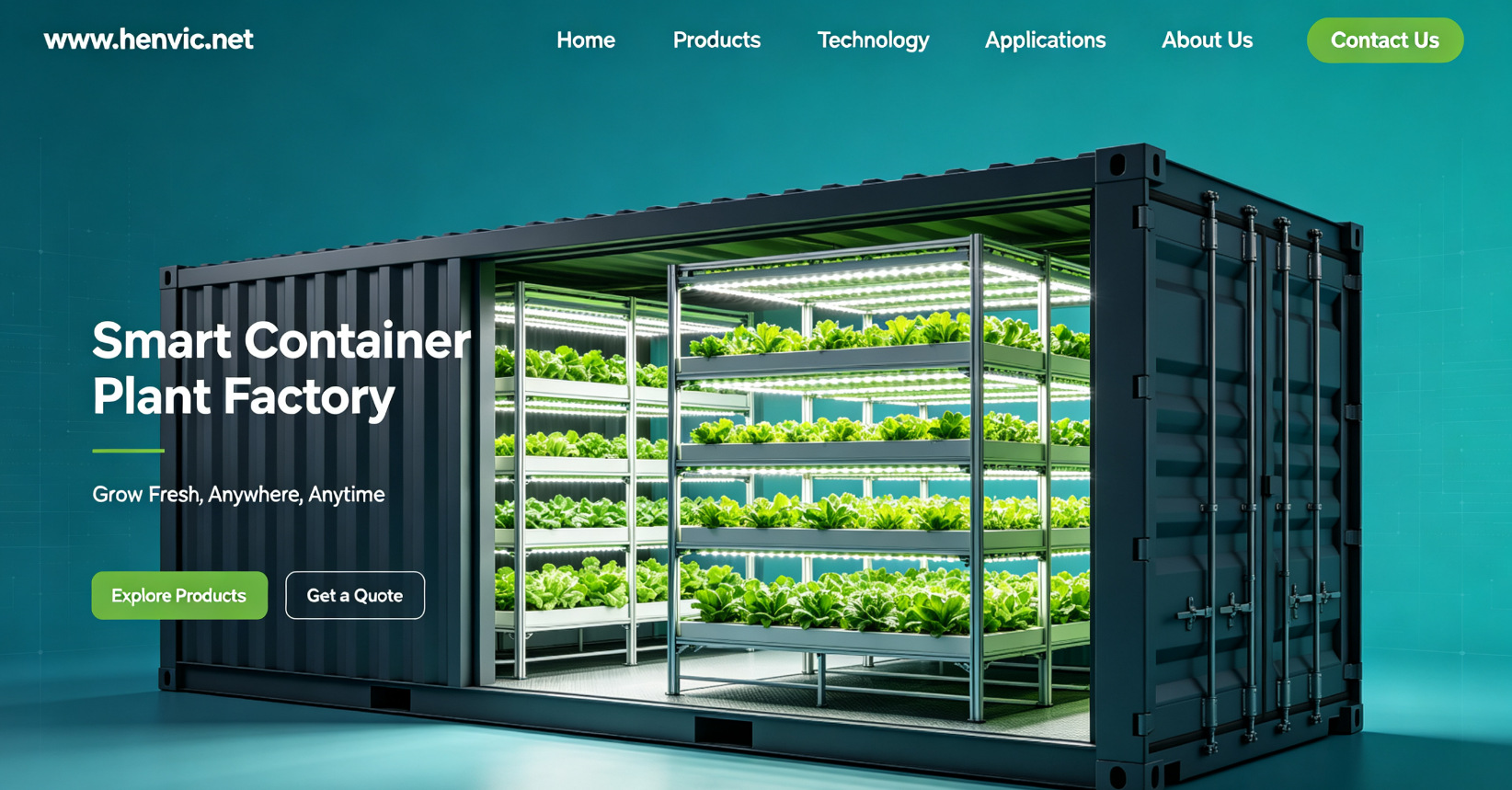
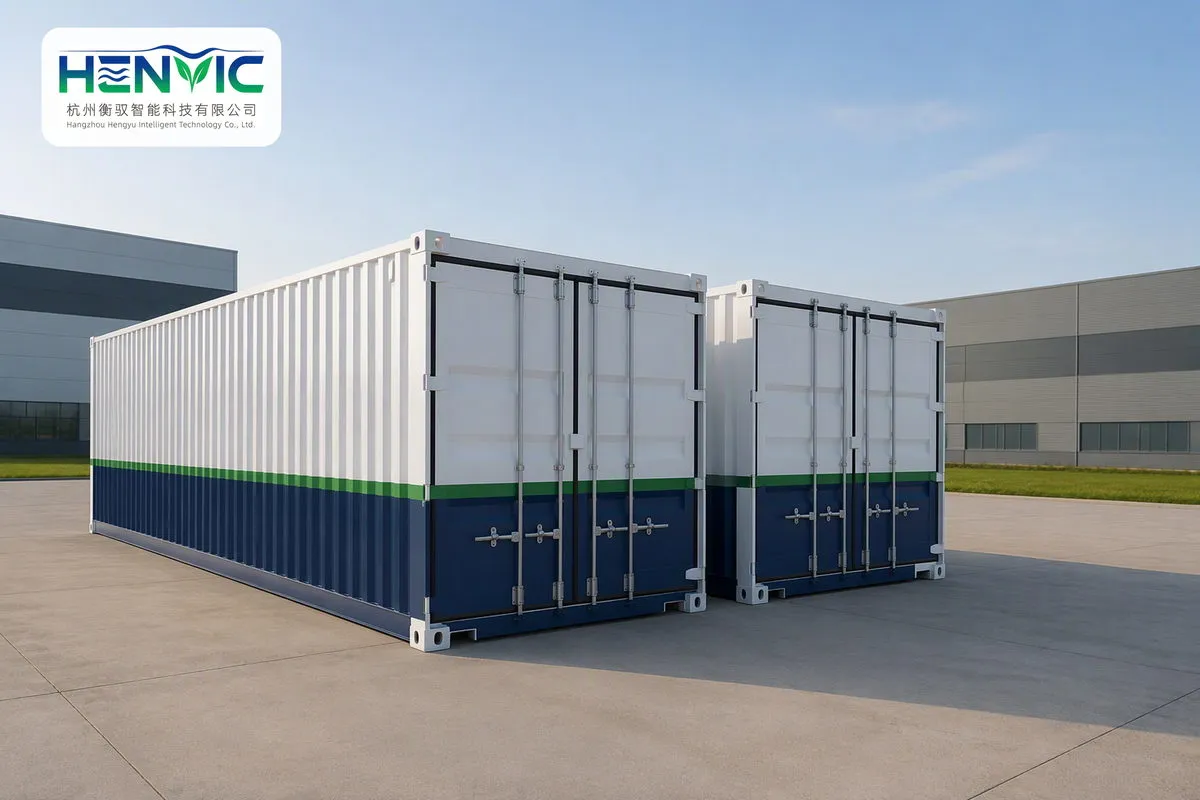
Mushroom cultivation, once reliant on rustic sheds and weather-dependent harvests, now stands at the pinnacle of agricultural DNA: the integrated cultivation container. Unlike generic structures, this container is a living, breathing facility by design. It integrates precision sensing, closed-loop climate dynamics, and space-engineering principles into a single, technologically profound unit.
II. Biological Imperatives of the Portabella
Portabella mushrooms (Agaricus bisporus) hold distinct biological imperatives.
- Mycelium as a Living Network: The fine, thread-like mycelium networks require stable metabolic temperatures.
- Substrate Transformation: The complex lignin and cellulose in malnutrition substrates demand specific nutrient-extraction pathways.
- Fruiting Thresholds: Yield maximization transcends simple humidity—it requires precise clinical casing layer and fresh air frequency.
III. Architectural Design of the Cultivation Container
The container is designed as an ecosystem rather than a structure.
- The Shell: Constructed with specialized insulation, the shell maintains thermal integrity regardless of external climate. The multi-layered materials possess high R-values, minimizing thermal leakage.
- Zoned Tier Architecture: To embrace vertical efficiency, the container uses a multi-tiered rack system. Gravity influences airflow, ensuring an even microclimate beneath each bed.
- The Airflow Engine: High-efficiency fans feed air through pre-filters and thermal exchange systems, ensuring NO2 levels remain at critical equilibrium.
IV. The Four Pillars of Environmental Consistency
- Intelligent Temperature Regulation: Cooling is managed via channeled climate management systems. Compute vouchers precisely align with the circadian rhythm of the mushroom.
- Humidity as a Physics Discipline: Ultra-fine atomization enforces a consistent casing moisture level, preventing the dual threats of desiccation and bacterial blockade.
- Gas Management: Beyond fresh air, sensors detect carbon dioxide saturation points, modulating automated valves to redirect metabolic gases, which directly controls stipe elongation and cap development.
- Spectral Optimization: Custom LED arrays emit a specific waveband that encourages robust cap formation without triggering premature deterioration.
V. Operational Mastery: From Sterilization to Harvest
- Preparation: Substrate material undergoes rigorous solarization and chemical sterilization to eliminate wider competitive molds.
- Spawning: The inoculated substrate enters the container's internal ecosystem.
- Pinning: Environmental triggers initiate the uniform pinning phase.
- Flushing: The container's rhythmic harvest cycle maintains consistent production.
VI. The Future of Cultivation Ecology
The Portabella cultivation container represents a cohesion of agriculture and Industry 4.0. By fusing biological intuition with technological precision, it propels cultivators into a new era of botanical refineness and economic reliability.
This container is not just a tool; it is a technological intervention, redefining the symbiosis between mankind and the microbial world.