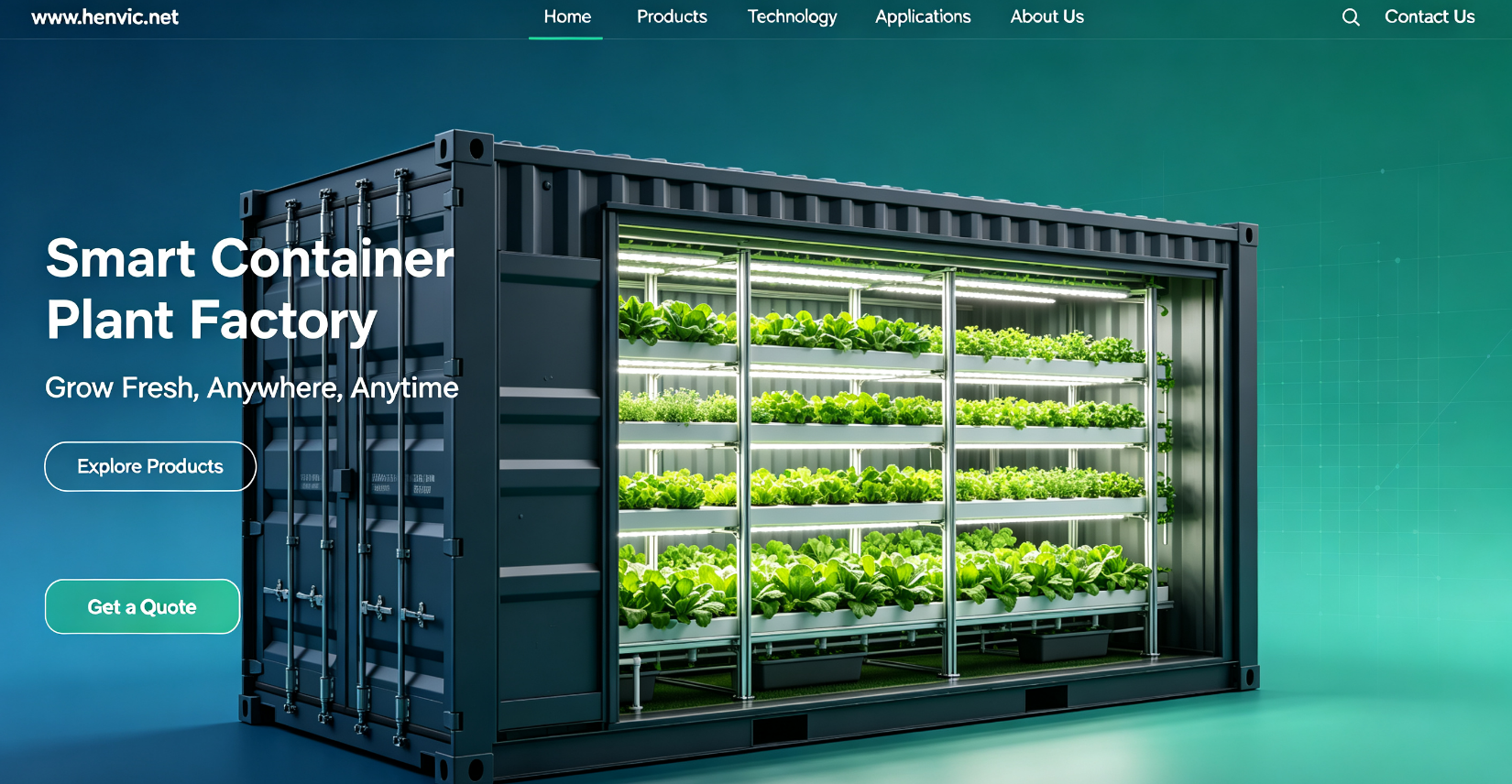
A Comprehensive Guide to Shiitake Mushroom Cultivation in SmartContainers
1. Introduction toContainerized Cultivation
In the world of modern agriculture, moving from traditional open-field farming to controlled environment agriculture (CEA) is a major trend, especially for high-value crops like specialty mushrooms. Shiitake mushrooms (Lentinula edodes) have gained immense popularity globally due to their rich flavor, nutritional value, and medicinal properties. Cultivating them in specializedContainers offers a sustainable, efficient, and year-round production method that is independent of external weather conditions and geographical limitations.
This guide provides an overview of the technology, design, and operational procedures involved inContainer-based shiitake cultivation.
2. The Advantages ofContainer Cultivation for Shiitake
Compared to traditional greenhouse or shed-based farming, using aContainer provides several key benefits:
- Pad Climate Control: Containers offer a fully enclosed environment, allowing precise management of temperature, humidity, and airflow. This protects the crop from pests, wild diseases, and sudden weather shifts.
- Modularity and Scalability: CultivationContainers are modular by nature. Farmers can start with a single unit and expand operations by adding moreContainers as demand grows, without needing to rebuild a large facility.
- High Space Utilization: The interior of aContainer can be equipped with multi-tier shelving, significantly increasing the cultivation area per square meter of floor space.
- Faster Growing Cycles: Precise environmental control accelerates mycelium growth and fruiting, potentially increasing the number of harvest cycles per year compared to traditional methods.
- Quality and Consistency: By maintaining ideal conditions, growers can ensure a uniform, high-quality product with consistent size, color, and texture, which is crucial for meeting commercial standards.
3. Key Components of a Shiitake CultivationContainer
A successfulContainer system integrates several critical components to mimic the ideal shiitake growing environment.
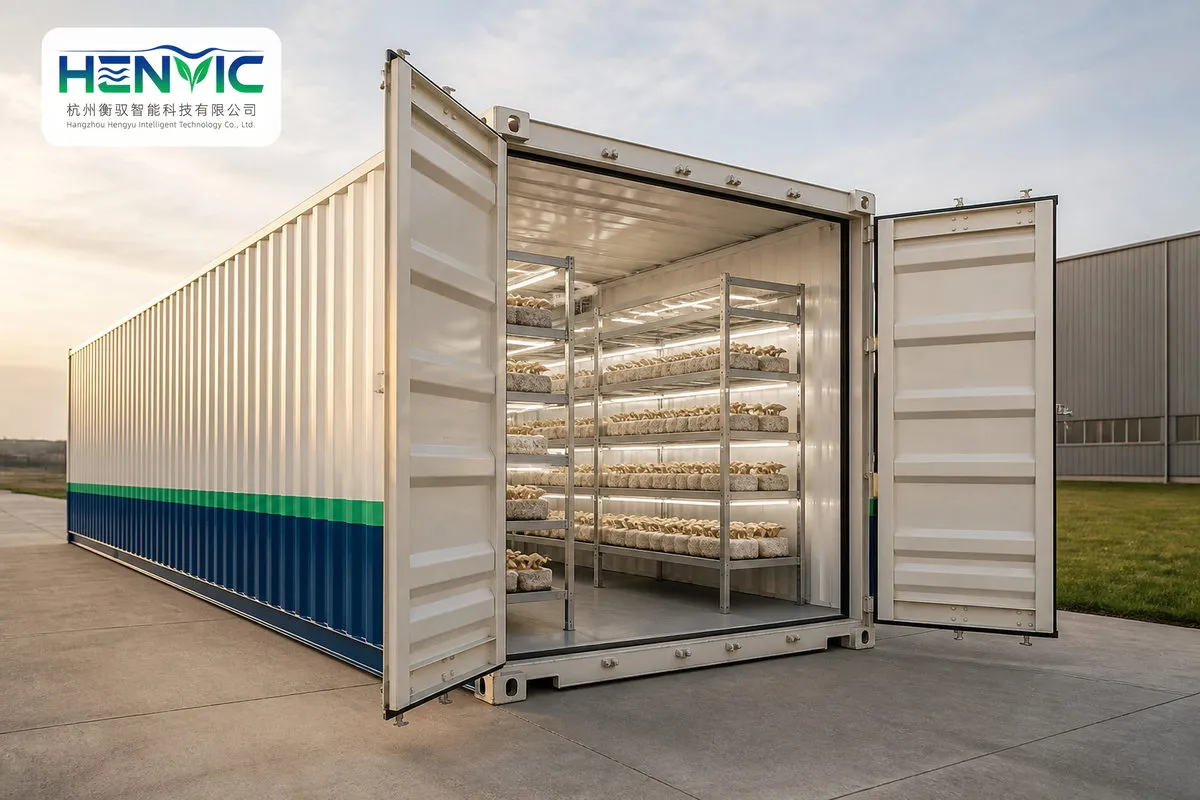
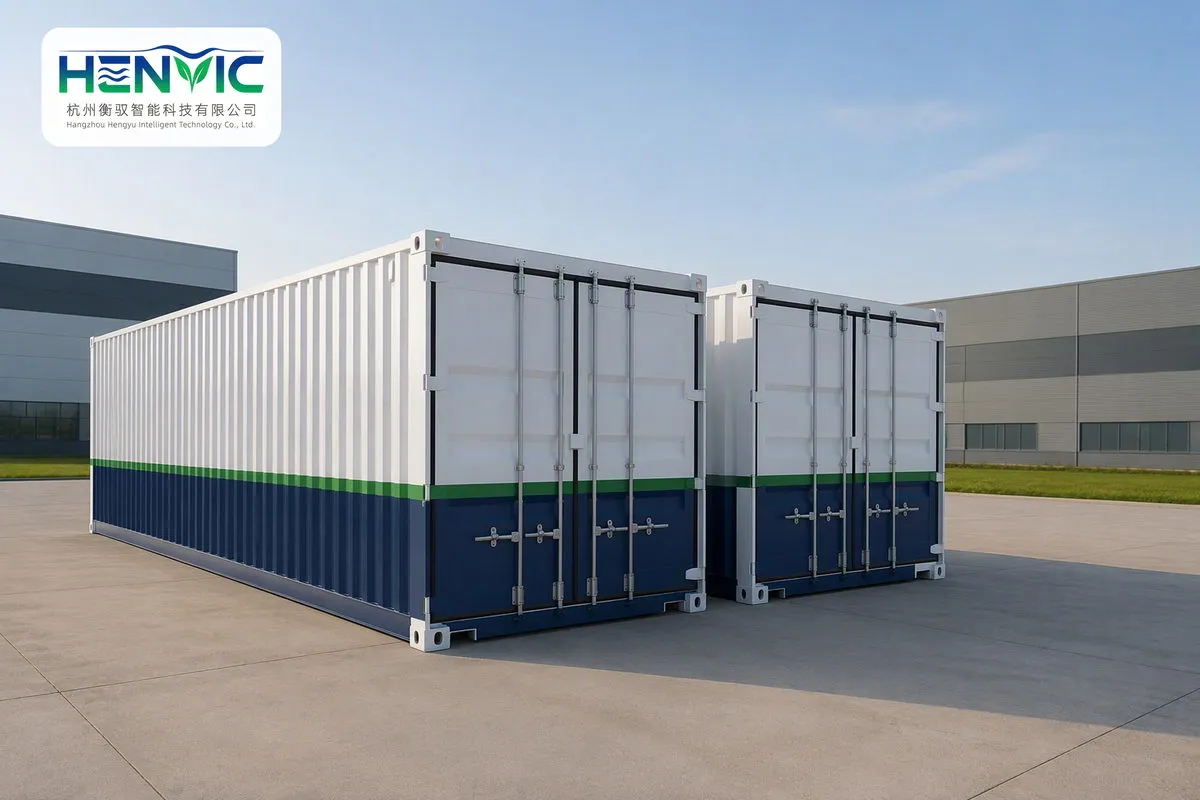
- TheStructure: The body of the container is made of durable, food-grade materials, typically steel or high-quality composite panels, with effective insulation to maintain a stable internal climate.
- Environmental Control System (ECS): This is the "brain" and "heart" of theContainer. It consists of:
- Temperature Management: HVAC (heating, ventilation, and air conditioning) or chilling units maintain temperatures for different stages: around 24-26°C for mycelium growth and 10-15°C for fruiting.
- Humidity Control: Ultrasonic humidifiers and water spray systems maintain a high relative humidity (85-95%), crucial for mushroom development.
- Air Filtration & Exchange: HEPA filters and fans ensure a steady supply of clean, low-CO2 air, preventing the buildup of gases that can cause malformed mushrooms.
- Lighting System: Full-spectrum LED lights simulate day-night cycles. Shiitake mushrooms require light to initiate and properly shape their fruiting bodies.
- Growing System: This includes sturdy shelving, typically made of sanitary materials like stainless steel or plastic. The substrate bags or blocks are placed on these shelves.
4. The Cultivation Process
The general workflow for cultivating shiitake in aContainer follows a standardized industrial process:
Step 1: Substrate Preparation and Pasteurization
Shiitake can be grown on various lignocellulosic materials. A common substrate formula includes sawdust (often from hardwoods like oak or beech), wheat bran, and a small percentage of gypsum or calcium carbonate for nutrition and pH balance. After mixing and adding water to reach the correct moisture content (typically 60-65%), the substrate is packed into polypropylene grow bags and sterilized (e.g., by steam) to eliminate competing microorganisms.
Step 2: Inoculation
Once the bags are cooled, they are aseptically inoculated with shiitake spawn (mycelium) in a clean environment. The inoculated bags are then sealed and moved into theContainer for the incubation phase.
Step 3: IncubationPhase
During this phase, theContainer maintains a temperature of 22-26°C and high humidity to promote rapid mycelium growth. The bags are kept in complete darkness. Over 2-3 months, the mycelium fully colonizes the substrate, turning the bag a solid white color.
Step 4: Fruiting Initiation
Once the substrate is fully colonized, the environmental parameters are adjusted to trigger pinning (the formation of mushroom "pins"). The temperature is lowered to 12-18°C, humidity increased to 85-95%, and the LED lights are turned on to initiate fruiting. Small bumps will appear on the surface of the substrate.
Step 5: Harvest
The first harvest typically occurs 7-10 days after pinning. Mushrooms are picked just before the edges of the cap begin to curl upwards to ensure optimal texture and shelf life. After harvesting, the environmental parameters are slightly adjusted and reduced for the next flush (harvest). A single batch can yield 3-5 flushes.
5. Maintenance and Management
Consistent management is key to success.
- Sanitation: Regular cleaning of theContainer interior prevents the buildup of contaminants. Any contaminated bags should be immediately removed to avoid spreading issues.
- Monitoring: Daily checks of the sensor data and the plants themselves ensure that the automated system is functioning correctly and that any issues can be addressed promptly.
- Ventilation Management: Proper air exchange is vital. While theContainer is sealed, it must cycle air to maintain low CO2 levels and provide fresh oxygen for the growing mushrooms.
6. Conclusion
Containerized shiitake cultivation represents a significant advancement in modern agriculture. By combining automation, precise control, and efficient space utilization, this technology allows growers to produce high-quality shiitake mushrooms year-round with reduced risk and improved economic returns. As the demand for fresh, organic, and locally-grown produce continues to rise, smartContainers offer a viable and sustainable path for the future of specialty mushroom farming.