Container plant farming sits within the broader field of controlled-environment agriculture, and understanding it as an industry requires more than knowing how the hardware works. The following points cover the vocabulary, economics, standards, business models, and risk factors that practitioners, investors, and suppliers are expected to know.
Core Terminology
A plant factory produces crops under a fully controlled environment in which light, temperature, humidity, carbon dioxide, nutrients, and airflow are all setpoints. The distinguishing feature is that artificial lighting, not sunlight, drives photosynthesis.
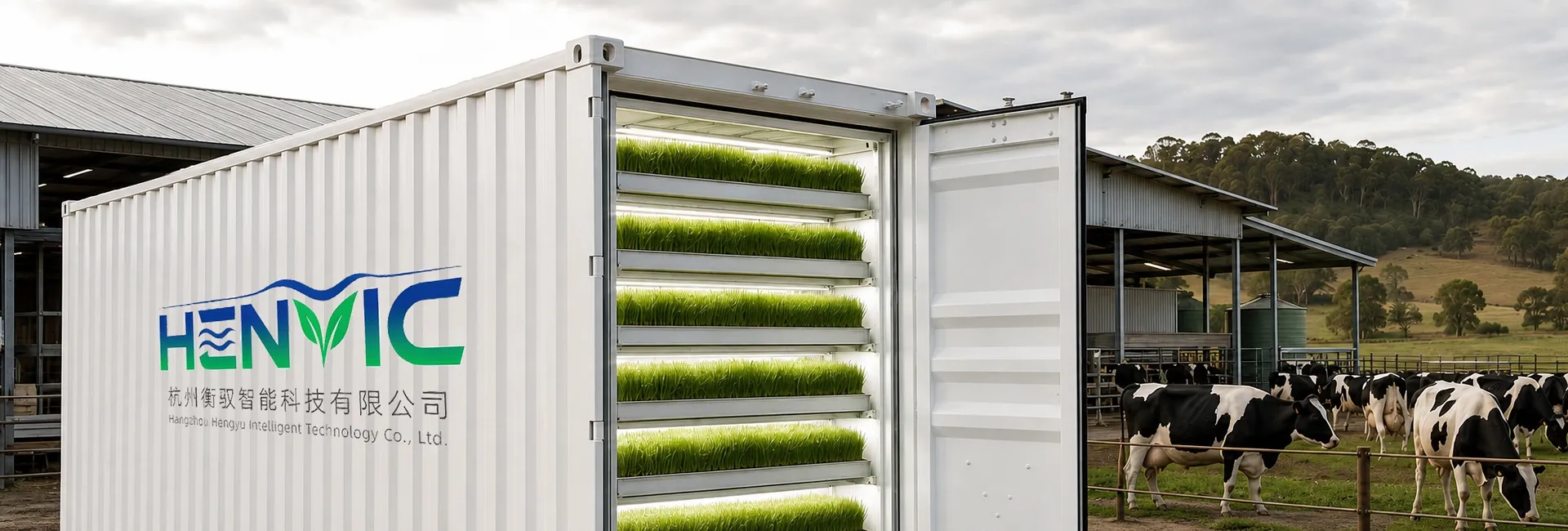
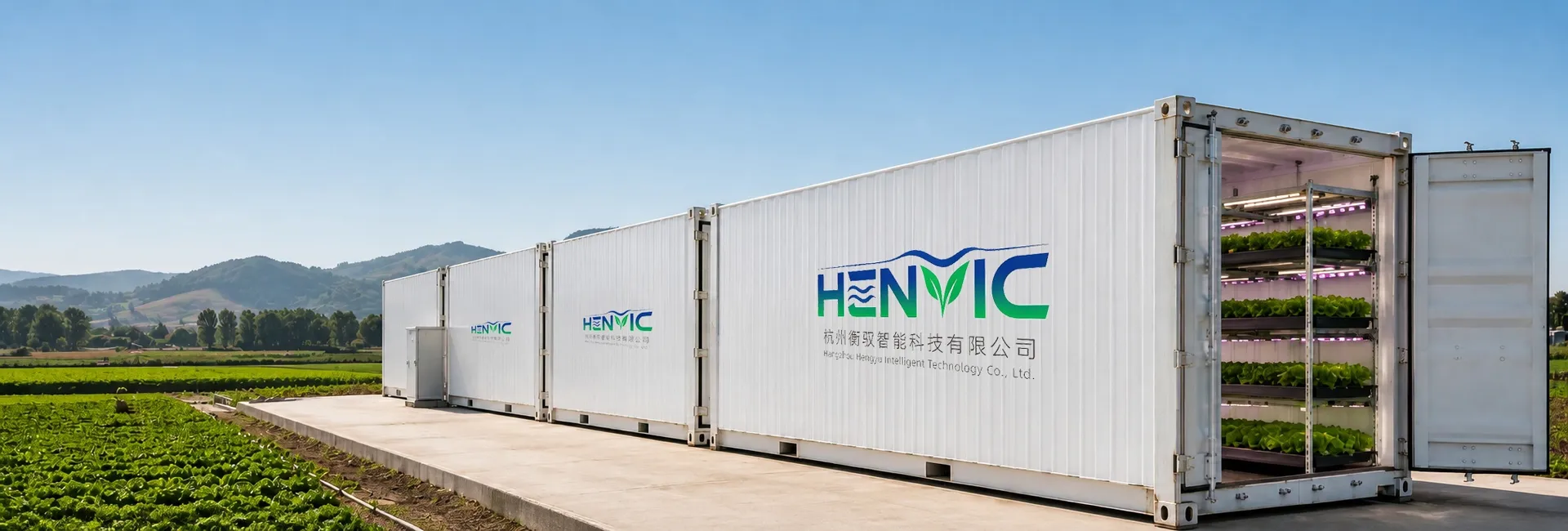
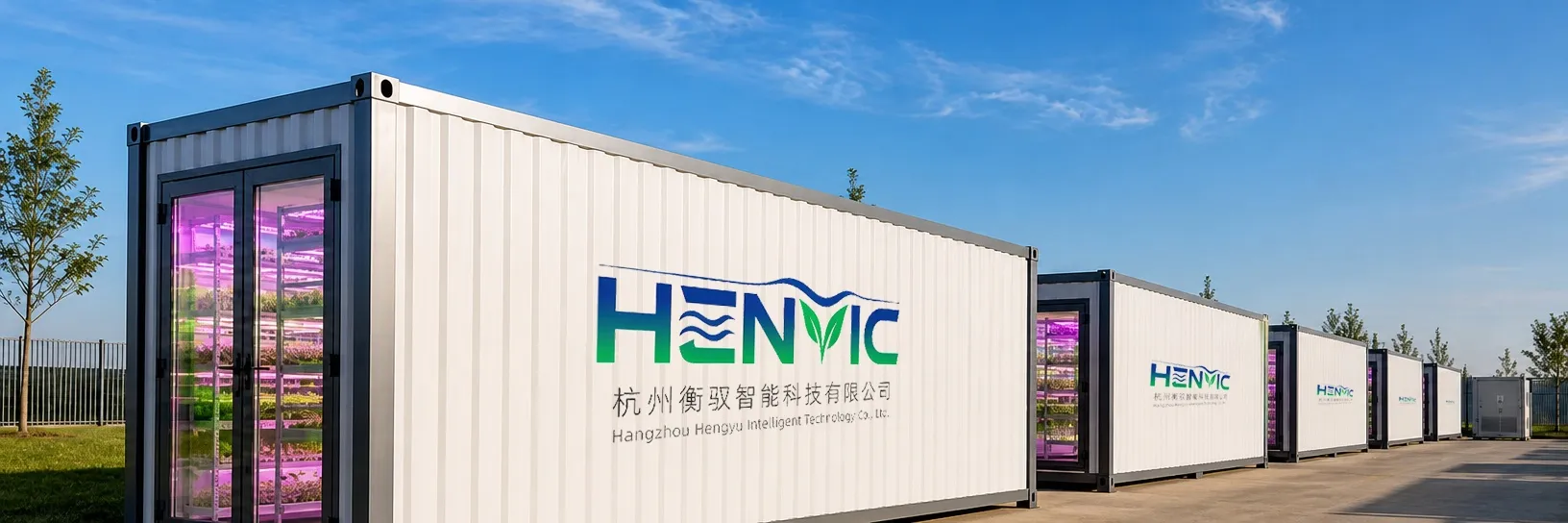
A container plant farm is a plant factory built inside a standard shipping container — typically twenty or forty feet — designed to be manufactured as a finished product and transported as a unit.
Controlled-environment agriculture (CEA) is the umbrella term covering greenhouses, indoor farms, and plant factories. A greenhouse moderates natural conditions; a plant factory defines them from scratch.
A vertical farm maximizes output per unit of ground area by stacking growing tiers, and most container farms are vertical by necessity.
Hydroponics supplies nutrients in solution rather than soil; aeroponics suspends roots in a misted chamber; aquaponics couples plant production with fish rearing so that fish waste supplies nutrients. These are cultivation methods, not business models, and can be combined with any of the facility types above.
Subsystems and the Vocabulary That Goes With Them
The cultivation system is described by tier count or layer count, along with growing area — the total productive surface, which is larger than the floor area because of stacking — and planting density, expressed as plants per square meter.
The lighting system is specified by photosynthetic photon flux density (PPFD), the intensity of usable light reaching the canopy; daily light integral (DLI), the total photons delivered per day; photoperiod, the hours of light per day; and spectrum, the balance of wavelengths, most often described by red-to-blue ratio. Light use efficiency measures biomass produced per unit of electrical energy consumed and is a central performance metric.
The climate system is characterized by temperature setpoint, relative humidity, vapor pressure deficit (VPD) — the difference between the moisture the air holds and the maximum it can hold at a given temperature, which governs transpiration — and carbon dioxide enrichment, the practice of raising CO₂ above ambient to accelerate photosynthesis when light and nutrients are not limiting.
The nutrient system is controlled through electrical conductivity (EC), a proxy for total dissolved salts, and pH, which governs nutrient availability. Recirculation rate and disinfection method — ultraviolet treatment, ozone, or filtration — describe how solution is reused and kept pathogen-free.
The control layer is described by sensor density, data logging, alarm thresholds, and increasingly predictive models that forecast growth and harvest timing.
Performance Metrics the Industry Uses
Yield per unit area is normally reported per square meter of growing area per year, which makes stacked and single-level systems comparable. Yield per unit energy, often given as grams per kilowatt-hour, matters more than headline yield in a facility where electricity dominates cost.
Cycle time is the interval from transplant to harvest, and crop turnover is the number of cycles per year. For leafy greens under optimized conditions, turnover can reach many cycles annually, which is the basis of the format's productivity claim.
Water use efficiency, expressed as liters per kilogram of produce, is a common sustainability indicator; recirculating systems typically use a small fraction of field irrigation.
Labor hours per kilogram and cost per kilogram at the gate determine whether the operation can compete with field-grown or imported produce.
Crop Economics and Selection Logic
The format favors short-cycle, low-growing, high-value crops: lettuce and other leafy greens, culinary herbs, microgreens, edible flowers, and a limited set of compact fruiting crops such as strawberries and cherry tomatoes. The selection logic is straightforward — a crop must fit within tier headroom, tolerate dense planting, complete its cycle quickly, and command a retail price high enough to absorb the cost of artificial lighting.
Staple grains, deep-rooted tubers, vining crops, and fruit trees are not economically viable in this format. A container farm is a precision supplier of fresh, perishable, premium produce, not a substitute for bulk agriculture.
Market Segments and Business Models
The industry serves several distinct customer groups. Pharmaceutical and biotechnology research uses container units for controlled plant material production and experimental replication. Seed and genetics companies use them for speed breeding and trait evaluation. Retail and food service is the largest commercial segment, where growers sell directly to supermarkets, restaurant groups, and distributors. Community and institutional buyers include schools, hospitals, and municipal food programs. Export and remote supply covers islands, offshore installations, and regions dependent on imported fresh produce.
Business models vary. Direct sales to restaurants capture premium prices but require many accounts. Retail supply contracts offer volume but compress margins. Subscription or community-supported agriculture models stabilize demand. Equipment leasing and turnkey contracting shifts the operator's role toward servicing and support. Technology licensing sells cultivation recipes and control software rather than produce.
Standards, Certification, and Regulation
Food safety frameworks such as HACCP and Good Agricultural Practices apply, and in export markets GlobalG.A.P. certification is frequently required. Organic certification is contested for hydroponic production — some jurisdictions permit it and others do not — so growers must confirm the rules in their target market rather than assume.
Electrical safety, pressure vessel standards for any gas systems, and local building codes govern installation. Water discharge rules matter where nutrient solution is not fully recirculated. Labeling rules for "local," "pesticide-free," and similar claims differ by jurisdiction and are a frequent source of compliance risk.
Cost Structure and What Determines Viability
Energy is the dominant operating cost, followed by labor, consumables such as seed and nutrients, and maintenance. Because wholesale margins on leafy greens are thin, the cost of electricity per kilogram of yield determines profitability more than any other single variable. Facilities with access to low-cost or renewable power hold a structural advantage; those paying high commercial tariffs must either command premium prices through quality and provenance or operate at exceptional efficiency.
Capital intensity is the second constraint. Lighting fixtures, racking, pumps, sensors, and control integration are required per unit of floor area, and payback depends on yield consistency and realized prices.
Operational skill is the third. The work is technical rather than seasonal: diagnosing a discolored leaf requires distinguishing among pH drift, nutrient deficiency, insufficient light, and root disease. Recirculating systems propagate problems quickly and punish inattention.
Risks
Biological risk centers on pathogens entering via seed, water, or filtration and spreading through a shared recirculating loop. Technical risk centers on power failure — a crop can be lost within hours of a cooling or lighting outage — which drives demand for redundancy and backup generation. Market risk includes price competition from field-grown imports during their season and the concentration of demand among a small number of retail buyers.
Direction of Travel
LED efficiency continues to improve, directly attacking the dominant cost. Control algorithms are becoming predictive rather than reactive, modulating light and climate as canopies close and plant demand changes. Robotics is advancing on tasks that are awkward in a stacked layout, including seeding, transplanting, harvesting, and tier-level sanitation. Standardization is lowering engineering cost per unit and speeding replication, and data aggregated across many containers is turning cultivation knowledge into a licensable product. Solar and storage integration is pushing some units toward partial or full off-grid operation.
Summary Judgment
Container plant farming is a complement to conventional agriculture, occupying a defined niche: fresh, perishable, high-value crops grown close to the point of consumption, in places and seasons where conventional supply is expensive, unreliable, or impossible. Its economics rest on three variables — the price of energy, the value of the crop, and operational discipline — rather than on land and weather.