Abstract
As demand for premium edible mushrooms continues to rise globally, containerized cultivation has emerged as a critical technology for the standardized, year-round production of Tricholoma matsutake(Matsutake). This paper systematically outlines the concept, core composition, and application advantages of containerized Matsutake cultivation technology. It analyzes the precise environmental control within containers, including temperature, humidity, ventilation, and illumination, and discusses the whole-process operational and management protocols. The findings indicate that containerized technology can effectively break through the limitations of natural climate, significantly improving the yield, consistency, and quality of Matsutake. This technology also fundamentally solves the bottlenecks of soil degradation and heavy metal accumulation through the use of unified substrate formulas and closed-loop management. It presents a new pathway for the sustainable industrialization of Matsutake agriculture.
Keywords: Matsutake cultivation; Containerized technology; Environmental control; Industrialization; Smart agriculture
1. Introduction
Tricholoma matsutake, commonly known as Matsutake, is a highly prized edible and medicinal mushroom renowned for its unique ecological habits, rich nutritional profile, and excellent flavor. Traditionally, Matsutake grows exclusively in specific acidic soil environments, such as those found in red pine forests, and is subject to strict seasonal limitations and low yields. Wild foraging and traditional semi-artificial cultivation methods face significant challenges, including fragile ecological environments, unpredictable harvests, and soil degradation driven by conventional farming practices[1].
In response to these challenges, modern agricultural technology has introduced containerized cultivation as a viable solution. By integrating controlled environment agriculture (CEA) concepts with precision engineering, containerized systems provide isolated, fully controllable micro-environments. This technology enables all-weather, high-density, and standardized cultivation without the constraints of natural climate fluctuations.
2. Core Composition of Containerized Matsutake Cultivation
Containerized cultivation relies on standardized, closed units rather than traditional open fields or forest floors. The core system integrates several essential components to replicate and optimize the natural conditions required by Matsutake.
2.1. Cultivation Containers
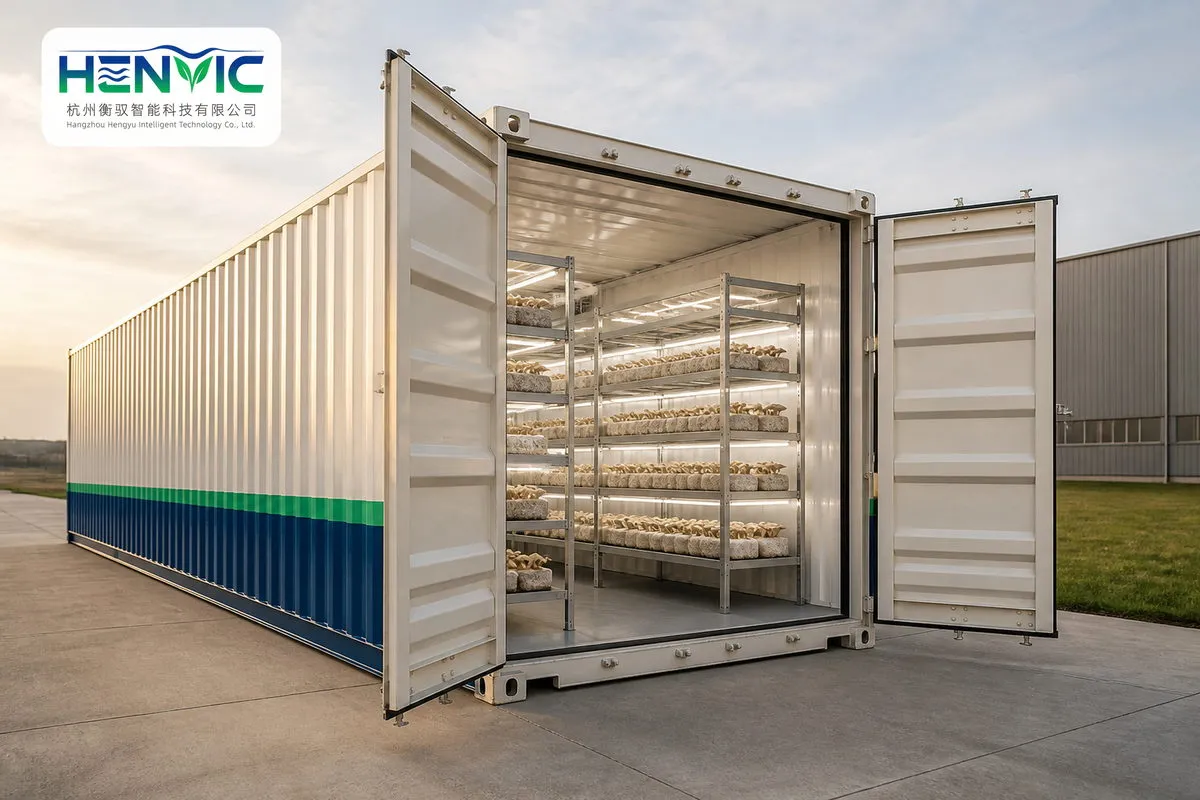
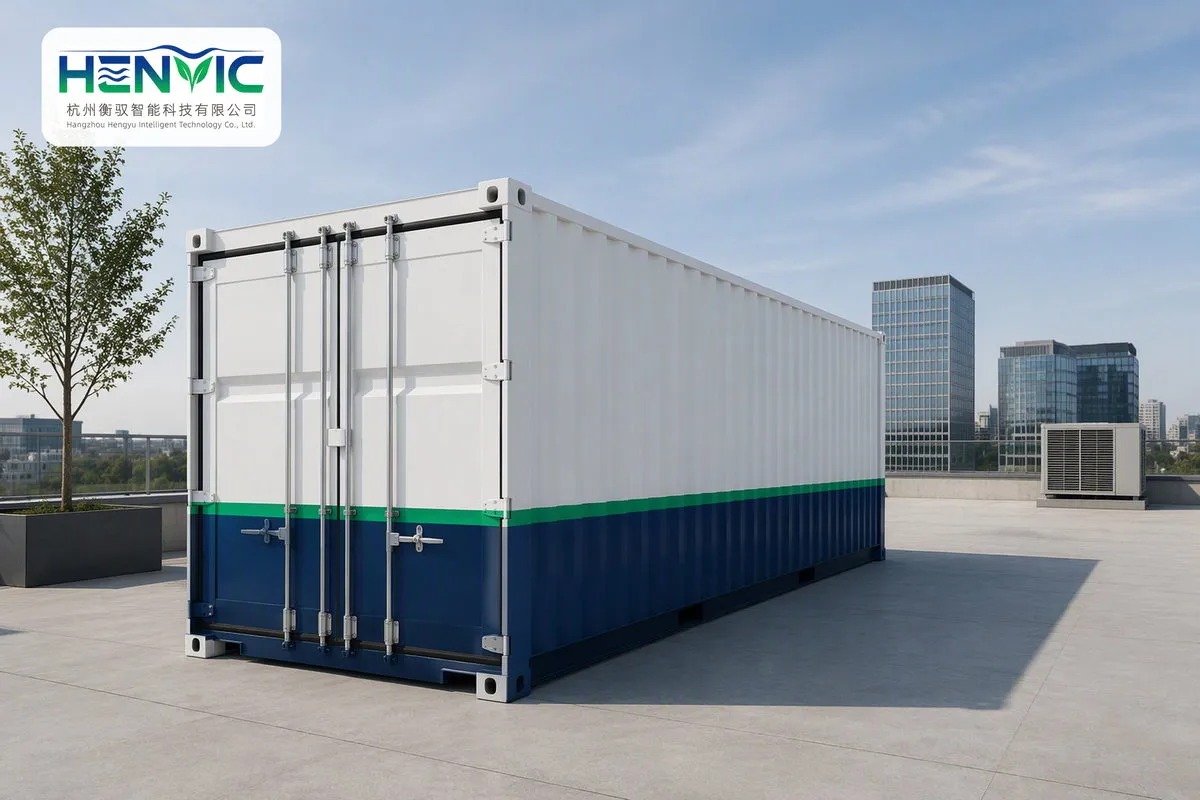
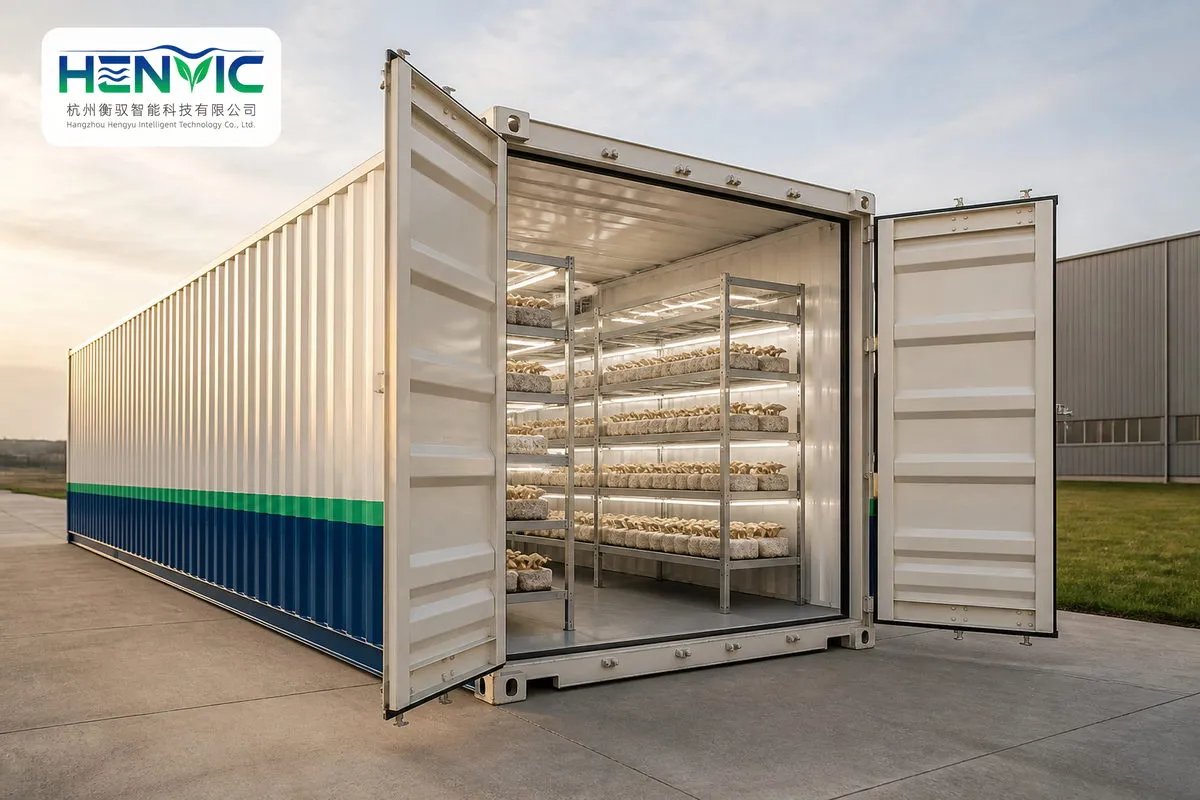
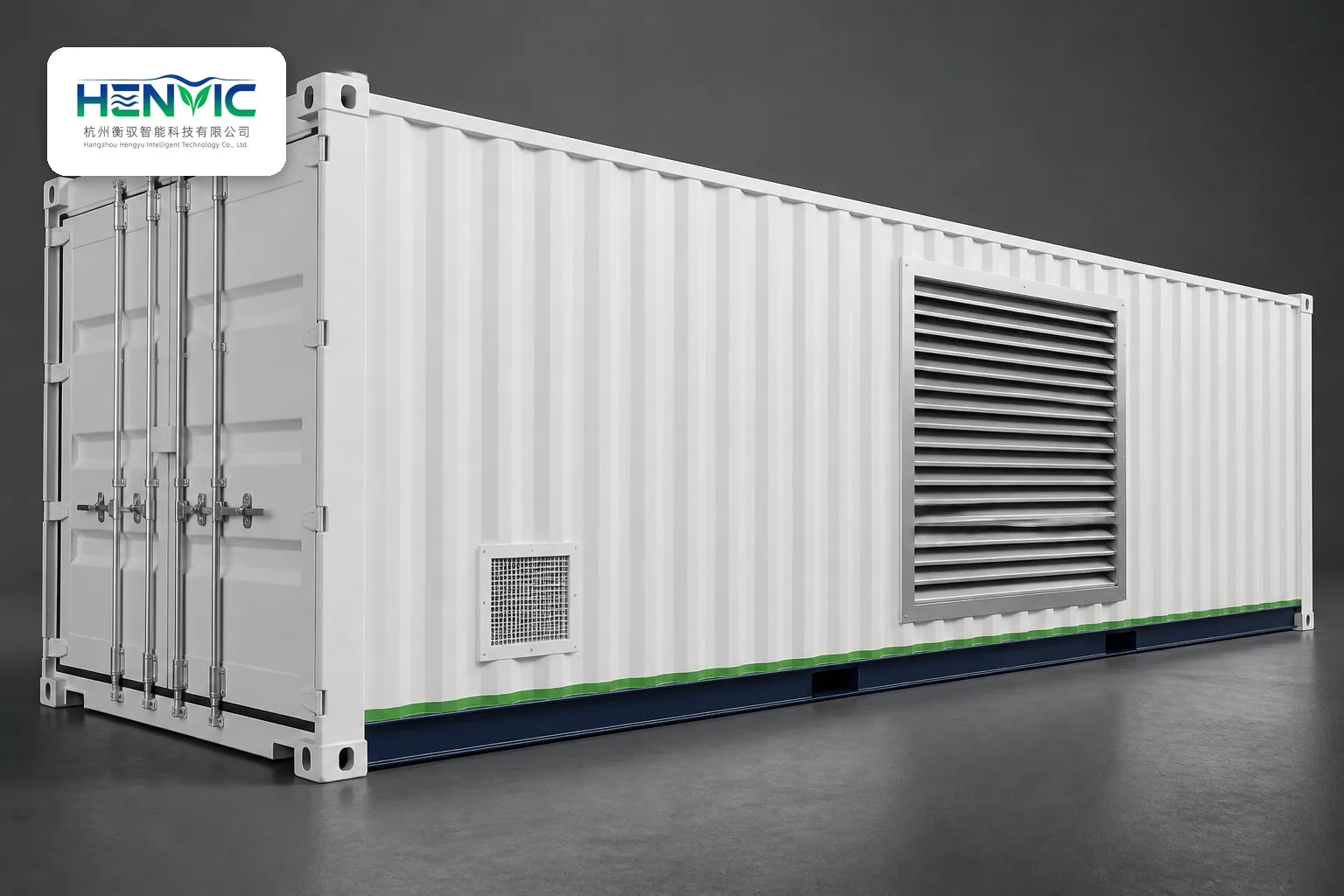
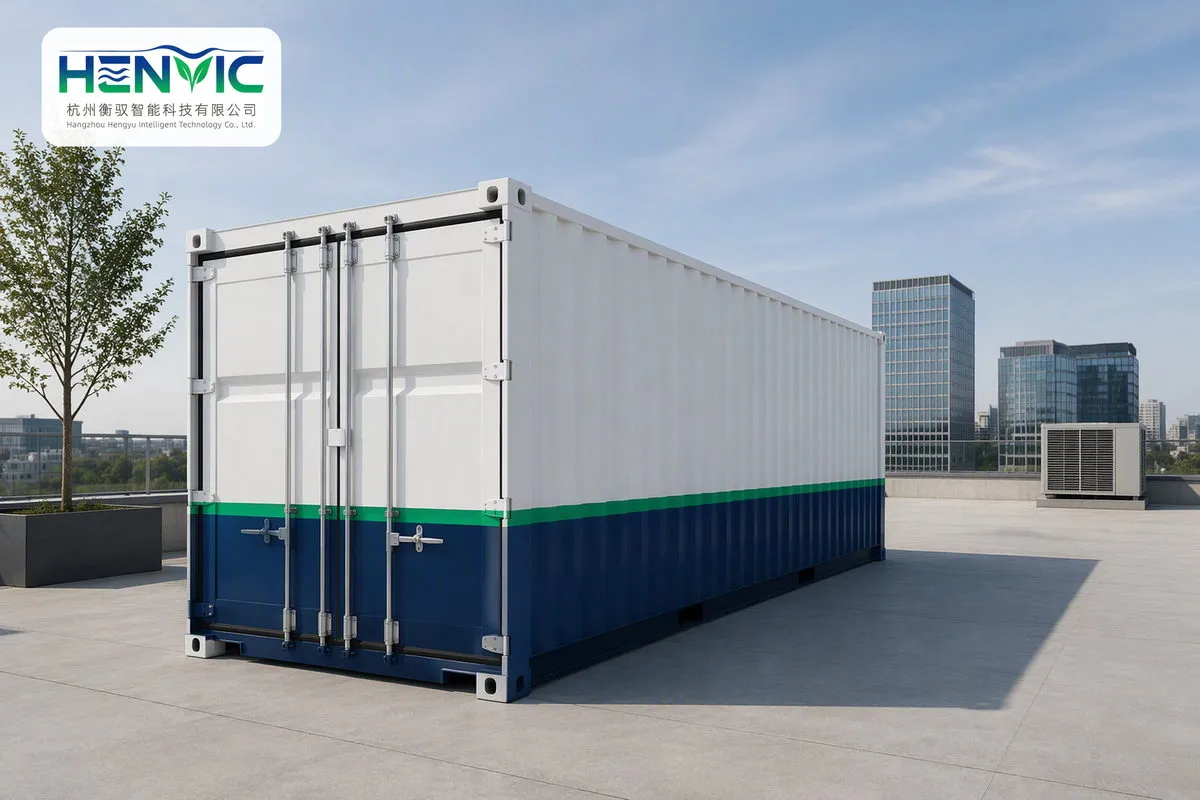
The containers, serving as the primary vessels, are typically constructed from food-grade or anti-corrosion materials like galvanized steel, stainless steel, or reinforced polypropylene. They are equipped with integrated thermal insulation layers to maintain stable internal conditions. Standardized dimensions are designed to maximize space utilization, allowing for convenient stacking and mechanical handling[2].
2.2. Microclimate Control Systems
Each container is equipped with a sophisticated microclimate control system, including high-efficiency HVAC (Heating, Ventilation, and Air Conditioning) units, humidifiers, dehumidifiers, internal air circulation fans, and carbon dioxide (CO2) sensors. These components work synergistically to regulate temperature, relative humidity, air composition, and airflow speed within the container.
2.3. Smart Monitoring and Control Platform
A central IoT (Internet of Things) platform continuously monitors internal environmental parameters against preset cultivation curves. Smart probes transmit real-time data, allowing for automatic adjustments to the microclimate control systems or triggering alarms when deviations occur, ensuring precision and consistency[3].
3. Environmental Control and Cultivation Management
Matsutake is a "fastidious" fungus that requires strict environmental parameters. Containerized technology provides a precise modulation capability across the whole growing cycle.
3.1. Temperature Management
Temperature is the most critical factor affecting Matsutake mycelial growth and fruiting body initiation. The mycelium generally thrives at 20–25°C, while fruiting body emergence requires a controlled temperature drop to 15–18°C. The insulated container allows for targeted cooling or heating, significantly accelerating the maturation process and protecting the crop from external thermal shocks.
3.2. Humidity and Ventilation
Matsutake requires a high relative humidity, typically kept between 80% and 90%, to prevent the caps from drying out. Simultaneously, it demands high oxygen levels and low CO2 concentrations. Unlike traditional cultivation, where natural wind often introduces contaminants or pests, the containerized environment employs HEPA-filtered air circulation. This guarantees a sterile oxygen supply, promotes healthy fruiting, and prevents most airborne diseases.
3.3. Lighting Parameters
Although Matsutake is primarily non-photosynthetic, specific light qualities (such as violet-blue light) are essential to trigger primordia formation and proper cap differentiation. LED plant lights installed inside the container are programmed to mimic natural day-night cycles and specific spectral distributions, ensuring uniform shape, size, and coloration of the mushrooms.
3.4. Substrate and Soil Mix
Containerized Matsutake absolutely prohibits the use of regular agricultural soil, opting instead for a tailored substrate formula. Commonly used materials include needle-leaf wood chips, sawdust, bark, and agricultural by-products, blended in specific ratios and sterilized under pressure before use. This functional substrate eliminates heavy metal accumulation and soil-borne pathogens, offering uniformly rich nutrients[4].
4. Operational Protocols and Benefits
Effective harvesting and ongoing management within the container require standardized operational protocols that are vastly superior to traditional cultivation.
4.1. Operational Flow
The process begins with a preparation phase involving the formulation and sterilization of substrates, followed by inoculation and mycelial colonization. After transfer to the climate container, a primordia induction phase utilizes specific temperature drops and light cycles. Once the fruiting bodies mature, manual or semi-automated harvesting ensures the mycelium is intact and the fruiting body is undamaged, followed by rigorous cleaning and post-harvest management.
4.2. Advantages Over Traditional Methods
Firstly, Year-round Production: The insulated containers isolate the internal environment from external weather, enabling continuous harvest cycles regardless of seasons.
Secondly, High Quality and Safety: The closed-loop system deters pest and disease invasion. Furthermore, standardized substrates eliminate the risk of heavy metals, pesticides, and chemical fertilizers leaking into the mushrooms, ensuring premium food safety.
Thirdly, Space Efficiency: The ability to stack containers vertically and place them anywhere (even desert or urban environments) drastically reduces land footprints when compared to expansive forest plantations[5].
5. Challenges and Future Prospects
While containerized Matsutake cultivation offers immense advantages, it also faces specific challenges. The initial capital investment for high-tech climate containers is significantly higher than traditional farming, and continuous system operation demands substantial energy, thus constraining widespread adoption in developing regions. Additionally, the biological efficiency within the containerized material remains slightly below expectations compared to other commercial mushrooms, indicating that substrate optimization and strain domestication have not yet reached their full potential.
Looking to the future, integrating AI algorithms with the existing IoT platform is expected to develop a self-adaptive "bioreactor" model that further lowers technical barriers. Moreover, the application of green energy (e.g., solar-powered regular refrigeration systems) will strongly mitigate the energy consumption issue, paving the way for fully sustainable and eco-friendly premium Matsutake production.
6. Conclusion
Containerized technology represents a paradigm shift in Matsutake cultivation. By precisely controlling essential environmental parameters within an isolated space, this technology overcomes natural constraints, elevates product safety, and maximizes land utilization. Despite existing challenges in cost and energy consumption, continuous advancements in smart agricultural engineering will further drive the industrialization and popularization of containerized Matsutake farming, ultimately delivering stable, premium yields to the global market.