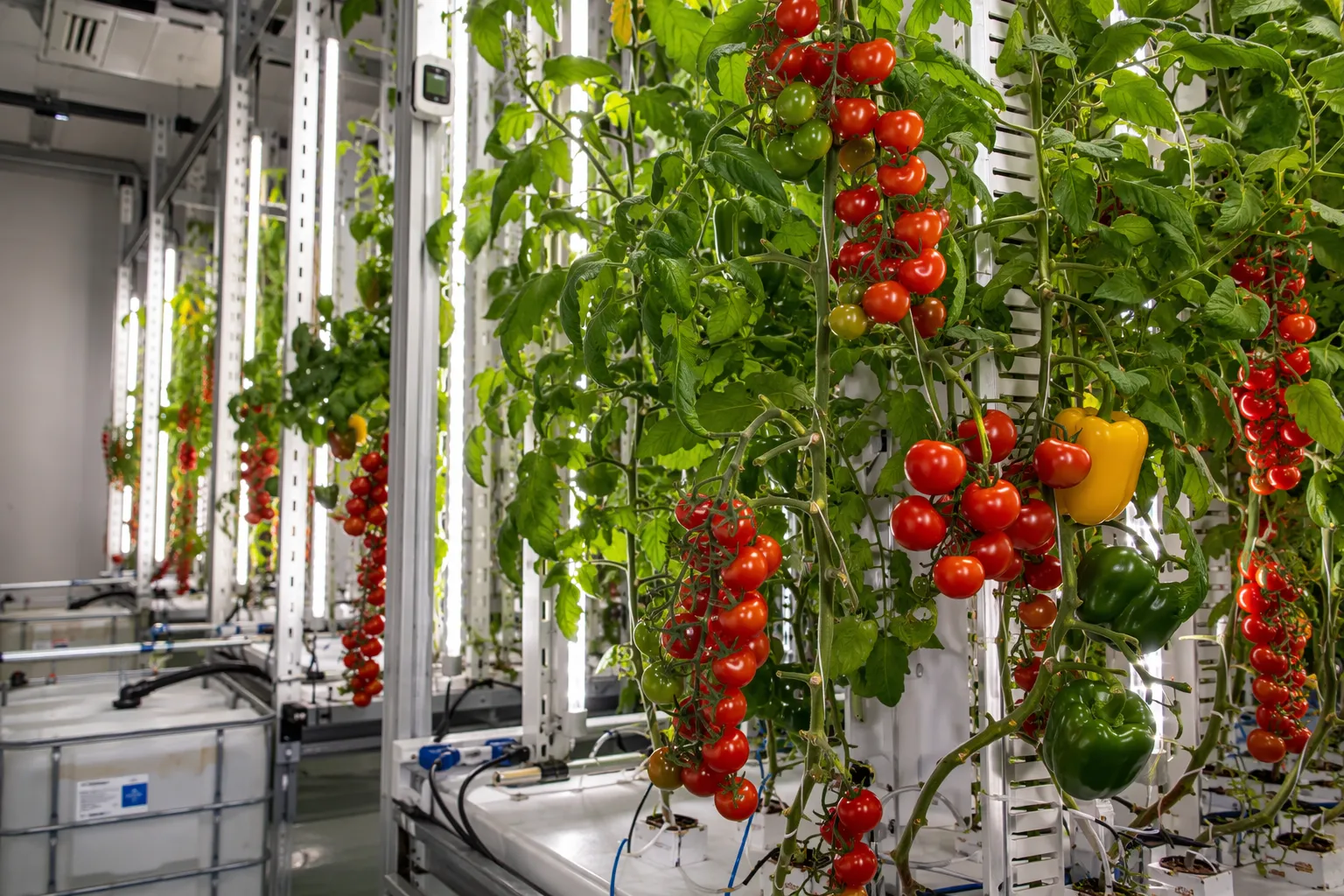
Revolutionizing Agriculture: The Power of Large-Scale Fruit and Vegetable Cultivation Containers
Introduction
In an era where climate change, population growth, and urbanization are reshaping the global agricultural landscape, innovators are turning to cutting-edge solutions to ensure food security and sustainability. Among these advancements, the large-scale fruit and vegetable cultivation container (hereafter referred to as "Container Agriculture") stands out as a transformative approach. This article delves into the technology, benefits, challenges, and future prospects of Container Agriculture, exploring how it is redefining the way we grow and supply fresh produce.
Technological Overview
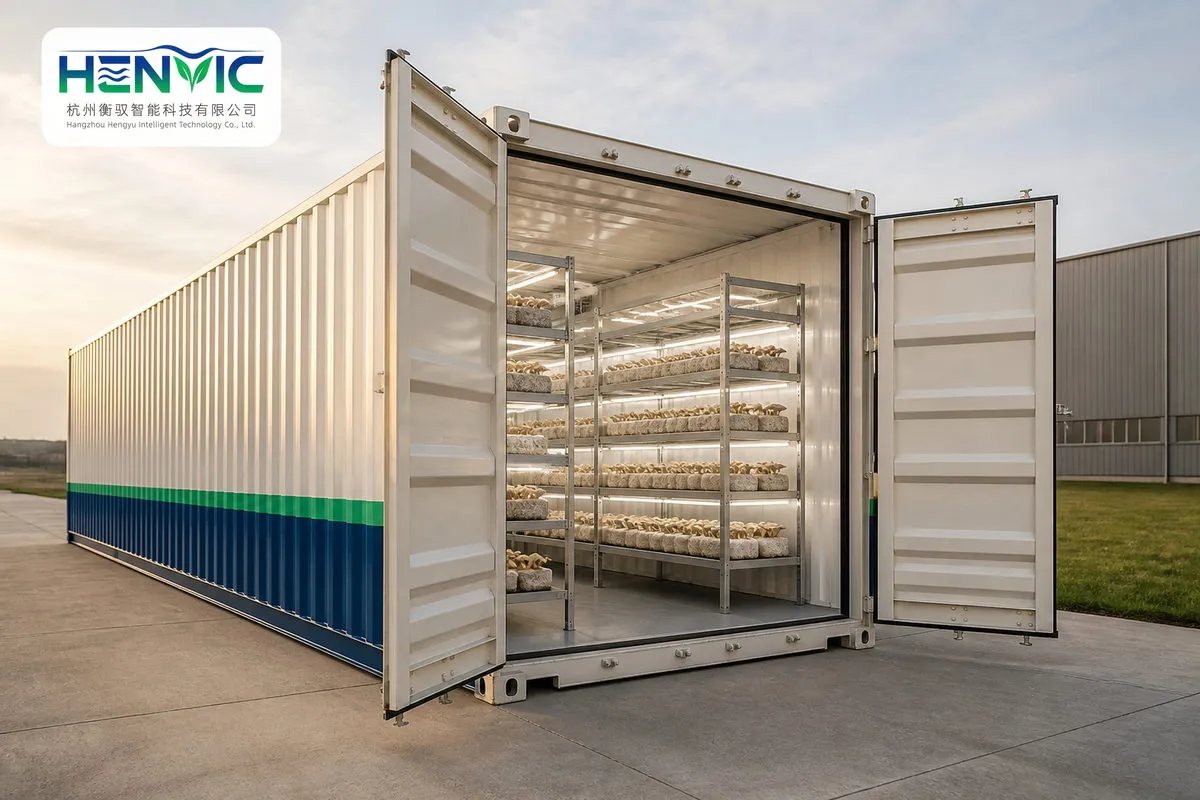
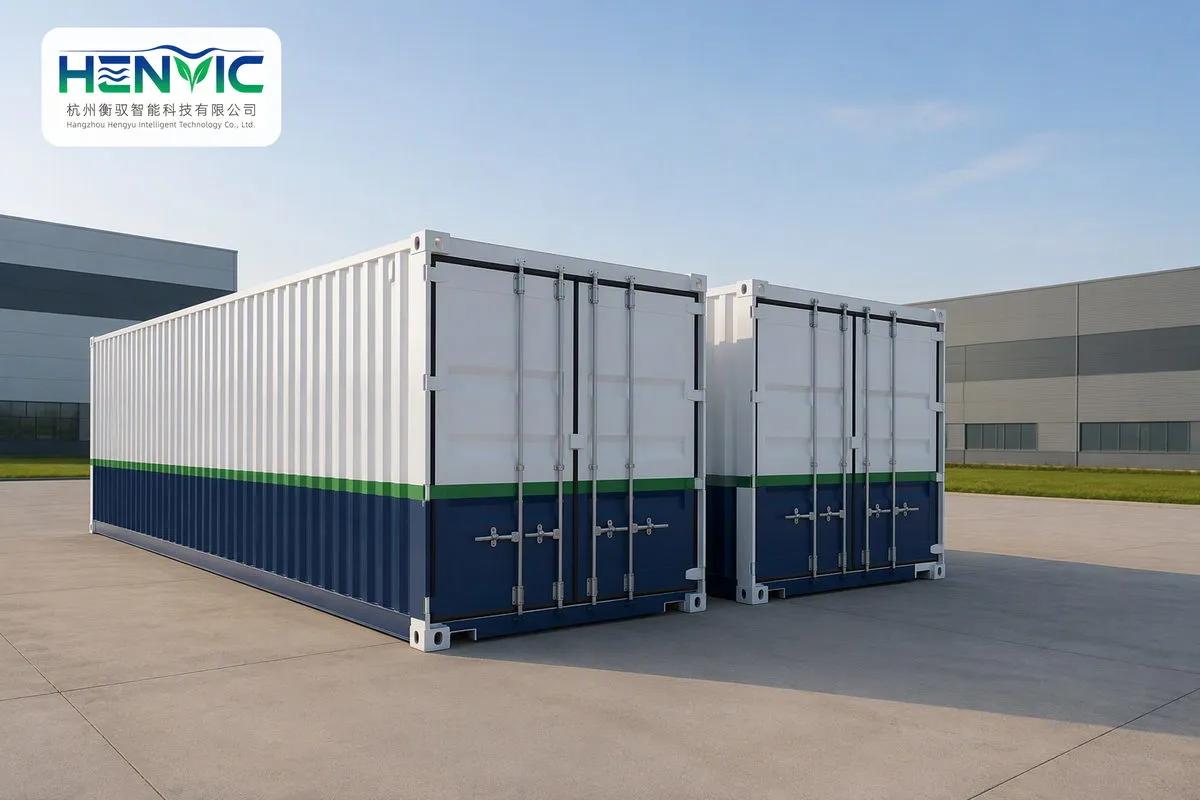
Container Agriculture represents a departure from traditional farming by utilizing specially designed containers as the growth medium. These containers are engineered to optimize space, resources, and environmental conditions for fruit and vegetable cultivation. Key technological components include:
Climate Control Systems: At the heart of Container Agriculture is an integrated climate control system that regulates temperature, humidity, light intensity, and CO2 levels, mimicking the ideal growth conditions for each crop. Advanced sensors and automated controls ensure precise modulation, minimizing external environmental impacts.
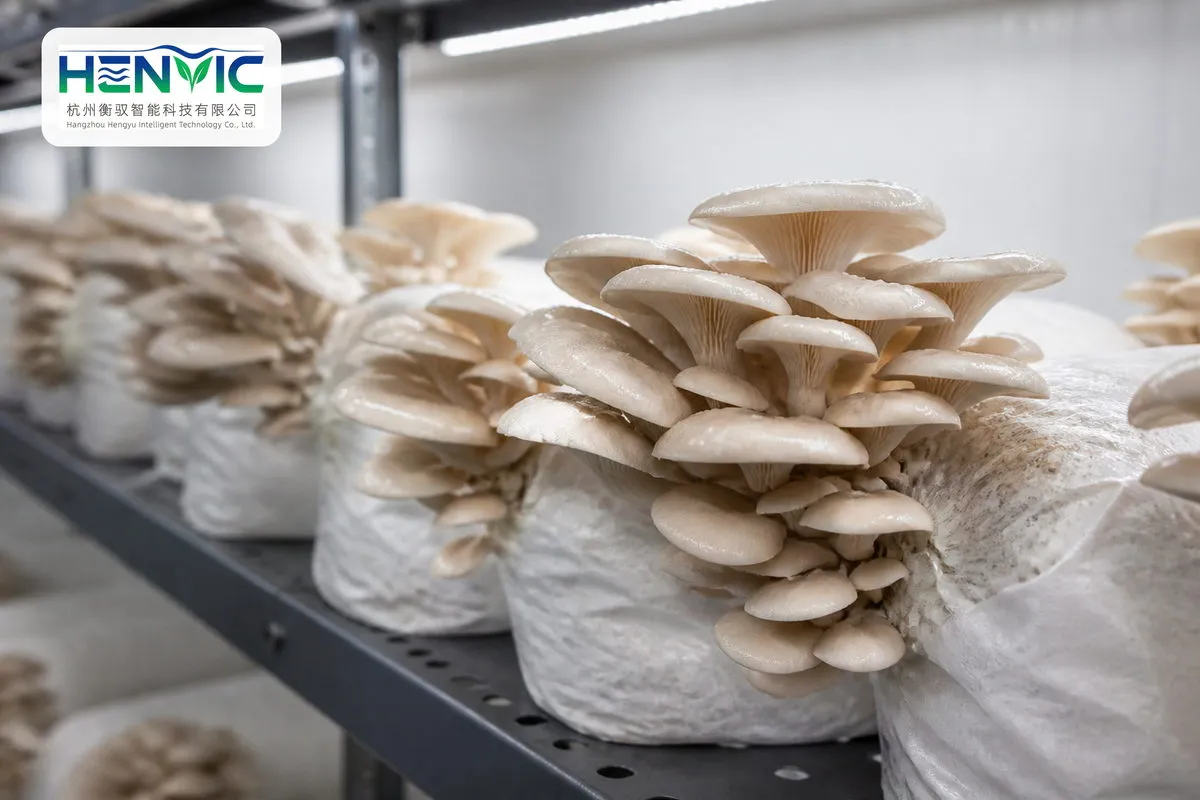
Hydroponic and Aeroponic Growing Methods: Instead of soil, Container Agriculture often employs hydroponic or aeroponic systems. Hydroponics involves growing plants in a nutrient-rich water solution, while aeroponics mists the roots with a nutrient mix, both of which can lead to faster growth rates and higher yields compared to soil-based cultivation.
IoT Integration: Internet of Things (IoT) technology plays a crucial role by enabling remote monitoring and management of the growing environment. Farmers can track key metrics, adjust settings, and receive alerts for any anomalies, ensuring optimal crop health and reducing labor costs.
Sustainability Features: Containers are designed with sustainability in mind, incorporating features like water recycling systems, solar panels for renewable energy, and biodegradable potting materials to minimize environmental footprint.
Benefits of Container Agriculture
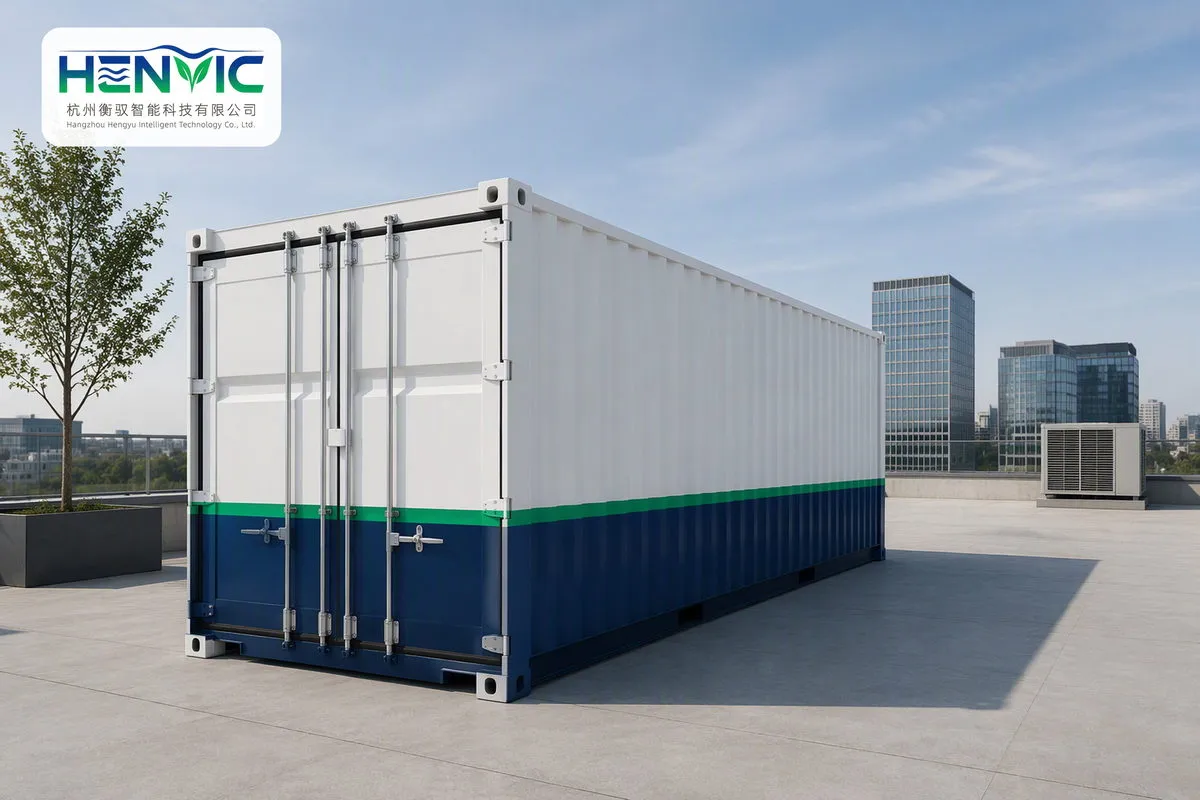
Space Efficiency: By stacking containers vertically or placing them in close proximity, Container Agriculture maximizes land use, making it viable even in densely populated urban areas.
Year-Round Production: Regardless of the season or weather, Container Agriculture ensures a consistent supply of fresh produce, responsive to market demands.
Reduced Environmental Impact: The controlled environment minimizes pesticide use, reduces water consumption, and eliminates soil degradation, contributing to a more sustainable food system.
Faster Harvest Cycles: The optimized conditions within containers accelerate plant growth, potentially increasing harvest frequency and yield per square meter.
Challenges and Solutions
Despite its potential, Container Agriculture faces challenges such as high initial investment costs, technical complexity, and the need for skilled personnel. To address these, governments and private entities are offering subsidies and training programs, while technological advancements continue to lower entry barriers and improve operational efficiency.
Future Outlook
As technology matures and public awareness about food sustainability grows, Container Agriculture is poised for exponential growth. Integration with AI for predictive analytics, further automation, and the development of drought-resistant and high-yield crop varieties will enhance its viability across diverse climates and geographies.
Conclusion
Large-scale fruit and vegetable cultivation containers represent a paradigm shift in agriculture, offering a scalable, sustainable, and efficient alternative to conventional farming. By harnessing technology to overcome space, resource, and environmental constraints, Container Agriculture not only secures a resilient food future but also paves the way for a greener, more food-secure world. As we move forward, continued innovation and collaboration among scientists, farmers, and policymakers will be essential to realize the full potential of this revolutionary agricultural practice.