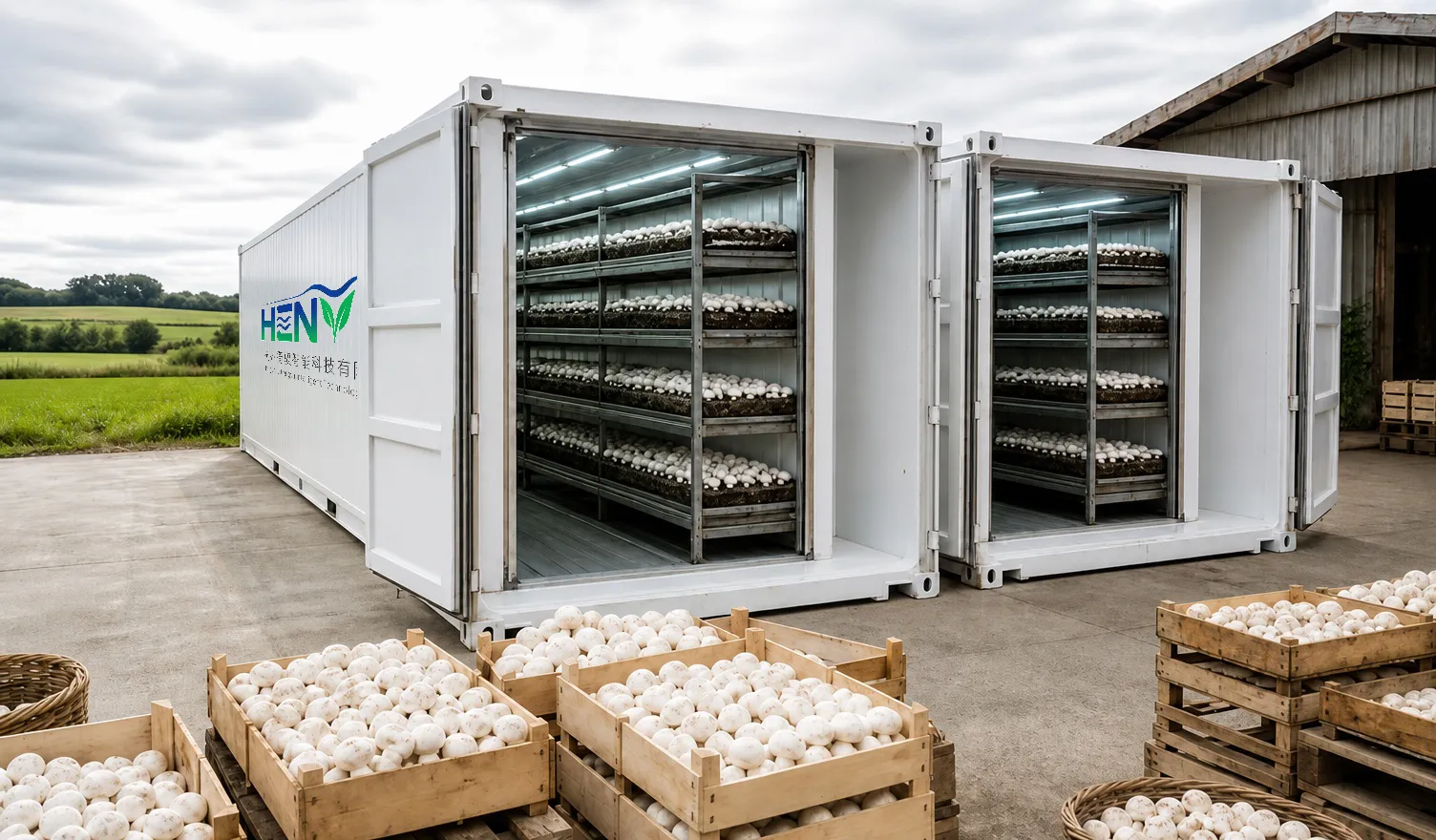
40 ft Vegetable Container Farm Romaine Lettuce Programme
PRODUCT OVERVIEW
Romaine Lettuce behaves predictably here: 28 - 33 days per cycle, 180 - 250 g per head and 650 - 950 kg per cycle. Predictability means you can price, contract and deliver weekly instead of betting the crop on weather.
A closed hydroponic or aeroponic loop monitors EC, pH and solution temperature by zone, with filtration and disinfection to limit root disease spread.
The heaviest leafy variety per head and the highest yield per cycle, suited to volume wholesale and processing supply.
Contract farming and cooperatives schedule backwards from the contract: 650 - 950 kg of Romaine Lettuce per cycle and 11 - 13 cycles a year map directly onto delivery terms.
CROP AND OUTPUT DATA
Variety | Romaine Lettuce (Leafy green) |
Growing cycle (transplant to harvest) | 28 - 33 days |
Unit weight | 180 - 250 g |
Plants per cycle | approx. 3,300 - 5,800 |
Yield per cycle | 650 - 950 kg |
Cycles per year | 11 - 13 |
Annual output (estimate) | 7,150 - 12,350 kg |
Propagation | Plug seedlings |
Crop difficulty | Easy |
Figures follow the 40 ft standard container baseline with about five growing tiers. Yield per cycle and annual output are estimates; actual results vary with tier count, light recipe, CO2 level and crop management.
KEY ADVANTAGES
· CO2 held at 800 - 1,200 ppm keeps photosynthetic efficiency stable.
· At 15 - 30 kg of fresh greens a day, one unit matches a mid-sized restaurant or community scheme.
· Rated Easy in difficulty and run from process cards, the crop is workable by general staff.
· Per-tier LED recipes give more uniform leaf colour, plant shape and head weight.
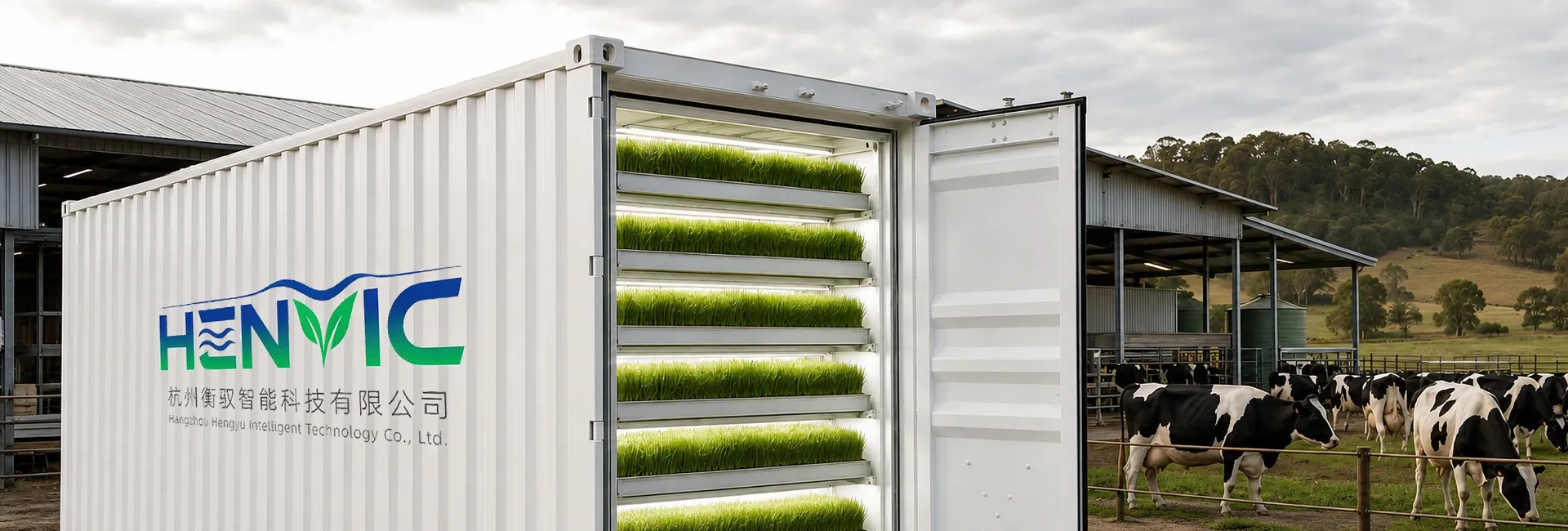
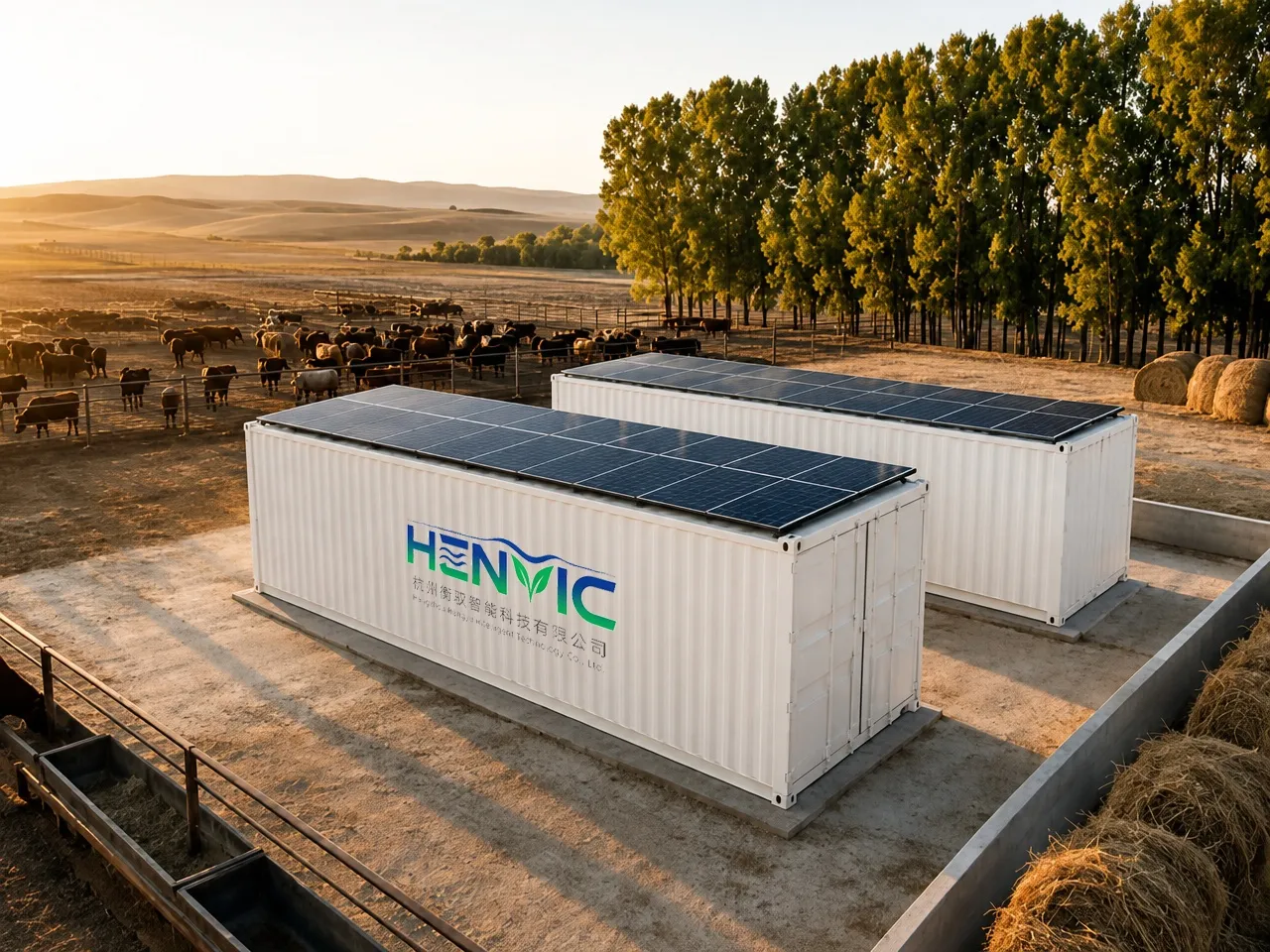
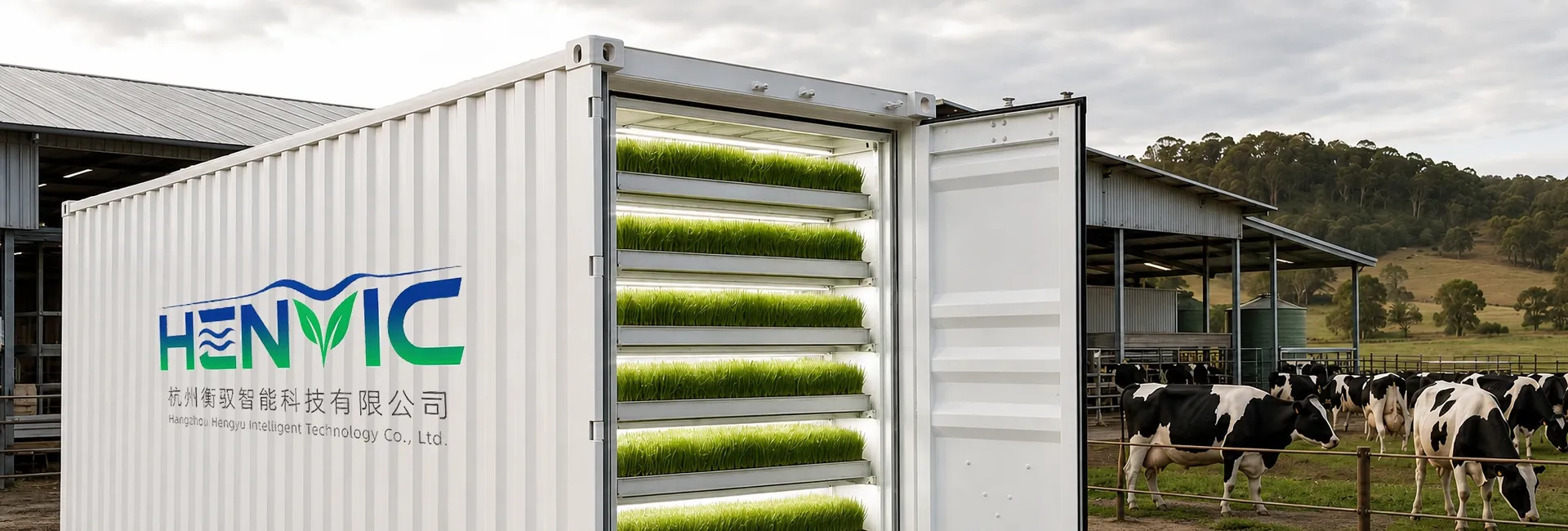
· The 40 ft ISO shell ships on a standard flatbed and is lifted into place on site.
· Controlled cycle: Romaine Lettuce reaches harvest 28 - 33 days after transplant, more than 50% faster than open-field production.
· About five tiers lift output per square metre to roughly five times open-field levels.
· Rotation and zoning reduce disease pressure and chemical inputs.
CONTAINER CONFIGURATION
Footprint | 12.19 x 2.44 x 2.90 m (40 ft ISO container) |
Growing system | Approx. 5 tiers, hydroponic or aeroponic |
Scale per cycle | 3,300 - 5,800 plants |
Temperature | 18 - 24 °C, set per variety |
Relative humidity | 60 - 75% |
CO2 concentration | 800 - 1,200 ppm |
Lighting | LED recipe, dimmable per tier |
Nutrient solution | Closed loop with automatic EC and pH control |
Energy reference | 0.8 - 1.2 kWh per kg of fresh greens; electricity about 60 - 70% of operating cost |
Control and monitoring | PLC, touchscreen HMI, remote monitoring and alarms |
Delivery | Pre-commissioned at the factory, set and connected on site |
CLIMATE AND CONTROL
The controller stores recipes by variety - temperature, humidity, photoperiod, irrigation frequency and nutrient targets - called up as a set. Changing crops loads a new recipe while batch history is retained.
Nutrient solution runs from the tank through pumps and manifolds to each tier and returns via filtration, disinfection and inline monitoring. EC and pH are corrected automatically against the recipe, removing manual mixing drift.
CULTIVATION AND SCHEDULING
Planting density is held at 3,300 - 5,800 plants per cycle, with spacing and tier height matched to plant habit; harvest is graded to 180 - 250 g per head.
The standard schedule assumes a 40 ft unit with about five tiers: plant one batch and harvest one batch each week, giving 11 - 13 Romaine Lettuce cycles a year. Adjust to order structure and harvest labour.
DELIVERY, TRAINING AND SERVICE
Commissioning covers nutrient mixing, EC and pH probe calibration, per-tier light measurement and climate interlock tests, confirmed item by item against the recipe.
Quarterly preventive maintenance covers filter changes, probe calibration, pump inspection, light-output measurement and alarm testing.
FREQUENTLY ASKED QUESTIONS
Can several varieties run in one unit?
Yes. Allocate varieties by tier or zone with separate recipes, keeping neighbours' temperature and nutrient needs similar so neither is compromised.
How many units can one operator manage?
Under a standard schedule, one operator can cover daily rounds, nutrient top-up and harvest coordination for two to three units, with extra hands at harvest peaks.
Does the unit overheat in summer?
Insulation with cooling and dehumidification holds the set point; in extreme heat, specify extra cooling capacity and monitor root-zone solution temperature.
Can the container be relocated?
Yes. The ISO footprint and consolidated service connections allow dismantling, transport and recommissioning within one to two weeks.
CONTACT AND DATA NOTES
Hangzhou Hengyu Intelligent Technology Co., Ltd. designs, builds and delivers complete container farms. Share your site conditions, target varieties and daily volume, and we will return a layout, a crop schedule and an energy estimate. Figures in this document use the 40 ft standard container (about five growing tiers) as the baseline and are estimates; output varies with tier count, light recipe, CO2 level and crop management, and is not a performance guarantee.